


Many women notice a frustrating shift in their body composition, lower energy, and sudden weight gain in their late 30s. What most don’t realize is that muscle loss after 35 is often the hidden culprit behind these changes, rather than a permanently broken metabolism.
While changing hormones certainly play a role, we naturally begin losing muscle from our 30s onwards if we don’t actively maintain it. For women, this gradual decline becomes much more noticeable during perimenopause and menopause, making it harder to manage weight and regulate blood sugar
The good news is that this isn’t something we simply have to accept. Our bodies continue responding remarkably well to the right nutrition, strength-building exercise and supportive lifestyle habits, whatever our age. Understanding what your body needs today, instead of relying on the same strategies that worked twenty years ago, can completely change the way you approach your health.

Why muscle matters much more than most women realise
When people hear the word muscle, they often picture bodybuilders or athletes. Many women even worry that building muscle will make them look bulky. In reality, nothing could be further from the truth.
Muscle is one of the body’s most valuable tissues. It helps us move, maintain good posture, support healthy blood sugar levels, improve insulin sensitivity and stay active as we grow older.
This is why my goal for clients is never simply to help them weigh less. It’s to help them build a stronger, healthier body. Two women can weigh exactly the same, yet one feels energetic and capable while the other struggles with fatigue and reduced mobility. The difference often lies in body composition rather than body weight alone.
Instead of focusing only on the number on the scale, ask yourself different questions. Do you feel stronger than six months ago? Can you walk further without getting tired? Do your meals keep you satisfied for longer? These are often much better signs that your body is becoming healthier.
When do women start losing muscle?
Many people assume muscle loss only happens in old age. In reality, it often begins much earlier. From our 30s onwards, we can gradually lose muscle if we don’t regularly challenge it through strength training or support it with enough protein. In medical terms, this progressive decline is often studied as Sarcopenia in menopausal women, highlighting how significantly body composition shifts during this stage of life.
At first, these changes are almost impossible to notice. But over the years, many women begin saying, “My body feels different,” or “I seem to be gaining weight around my middle even though I haven’t changed much.” What they’re often experiencing is not simply fat gain, but a gradual shift in body composition, with slightly less muscle and slightly more body fat.
Repeated crash dieting can make this even worse. When weight is lost through severe calorie restriction, some of it comes from muscle. If the weight returns later, it usually comes back mostly as fat. Over time, the scale may stay the same, but the body changes, making it harder to lose weight and easier to feel frustrated.
Why muscle loss after 35 becomes more noticeable
Age is only one part of the story. Our lifestyle changes too. Many women become busier than ever during their late 30s and 40s, balancing careers, children, family and countless daily responsibilities. Exercise is often the first thing to disappear, meals become more rushed, sleep less predictable and stress more constant.
Individually, these changes may seem small. Together, they gradually reshape the body. Less movement, poorer recovery and lower protein intake all make it harder to maintain muscle over time.
Then comes perimenopause. As estrogen levels begin fluctuating, many women notice changes in body composition, with more fat accumulating around the abdomen and muscle becoming harder to maintain.
The body hasn’t suddenly stopped working. It simply has different needs than it did twenty years earlier. Instead of relying on stricter diets and more cardio, this is the time to focus on preserving muscle through better nutrition, strength training and recovery.

The connection between muscle and metabolism
Age is only one part of the story. As we move through our late 30s and 40s, life often becomes busier. Exercise is pushed aside, meals become more rushed, sleep less predictable and stress more constant. Over time, these small changes make it harder to maintain muscle.
Then comes perimenopause. As estrogen levels begin fluctuating, many women notice changes in body composition, with more fat accumulating around the abdomen and muscle becoming harder to maintain.
The body hasn’t suddenly stopped working. It simply has different needs than it did twenty years earlier. Instead of relying on stricter diets and more cardio, this is the time to focus on preserving muscle through better nutrition, strength training and recovery.
Why muscle loss makes weight loss harder
Most women trying to lose weight focus on one thing: eating less. Unfortunately, this approach often ignores what the body is actually losing. When calories are reduced too much without enough protein or strength training, the body doesn’t lose only fat. It can also lose valuable muscle.
This creates a vicious cycle. Less muscle makes it harder to stay active, recover from exercise and maintain stable blood sugar, often leading to lower energy and stronger cravings. The temptation is then to cut calories even further, increasing the likelihood of losing even more muscle.
This is one reason why so many women say they are eating less than ever yet still struggling to lose weight. Their body doesn’t simply need fewer calories. It needs better support.
Protecting muscle while gradually reducing body fat creates a completely different outcome. Instead of becoming smaller but weaker, you become leaner, stronger and more energetic, building a much healthier foundation for long-term weight management and healthy aging.

Why perimenopause changes everything
One of the reasons muscle loss often becomes more noticeable after 35 is that it coincides with another important transition in a woman’s life: perimenopause. This is the period leading up to menopause, when hormones begin fluctuating and many women start feeling like their body is no longer responding the way it used to.
It’s common to hear women say, “I’m doing everything I used to do, but nothing seems to work anymore.” They’re often right. To get a deeper look at the hormonal shifts behind this, you can read more about why weight loss becomes harder after 35. The strategies that worked in their twenties or early thirties may no longer produce the same results, not because they’ve lost their willpower, but because their body has changed.
Sleep often becomes lighter, stress feels harder to manage, recovery slows down and body composition starts shifting. Many women notice more fat accumulating around the abdomen, along with lower energy, stronger cravings or increased bloating, despite continuing to eat well and stay active.
These changes can feel frustrating, but they aren’t a sign that your body is working against you. They’re a sign that your body now needs a different kind of support.
The role of estrogen
Estrogen is often described as a reproductive hormone, but its influence extends far beyond fertility.
It affects the brain, the bones, the cardiovascular system, the skin and even skeletal muscle.
Research suggests that estrogen helps support muscle repair and muscle quality. As estrogen levels gradually decline during menopause, maintaining muscle becomes a little more challenging. Understanding How estrogen loss affects muscle strength helps explain why our usual routines suddenly require much more intention than they used to.
This doesn’t mean muscle loss is inevitable.
It simply means that the habits protecting muscle become more important than they were before.
Many women assume hormone changes mean they have no control over their body anymore.
Fortunately, that isn’t true.
Hormones influence the environment your body is working in, but your daily habits still have tremendous power.
Nutrition, movement, sleep and stress management remain some of the strongest tools available to support healthy aging.
Why protein becomes more important after 35
When I review food diaries from women over 35, I notice the same pattern again and again.
- Breakfast is often toast, cereal or fruit.
- Lunch is a quick salad.
- The largest source of protein only arrives at dinner.
While this pattern may feel healthy, it often provides too little protein throughout the day to properly support muscle maintenance.
As we age, our muscles become slightly less responsive to small amounts of protein.
This means that spreading protein more evenly across the day becomes increasingly valuable.
Rather than trying to consume all your protein in one meal, aim to include a quality source at breakfast, lunch and dinner.
For example:
- Eggs with vegetables and avocado
- Greek yogurt with berries and chia seeds
- Cottage cheese with nuts and fruit
- Chicken or fish with colourful vegetables
- Lentils with quinoa and tahini
- Tofu with roasted vegetables
- A balanced protein smoothie on busy mornings
The goal isn’t to obsess over numbers.
It’s simply to give your body regular opportunities to maintain and repair muscle. If you need inspiration on how to build these meals, check out this high-protein anti-inflammatory recipe to help you get started.
Many women are surprised to discover that increasing protein actually leaves them feeling less hungry throughout the day:
- Their cravings reduce naturally.
- Their energy becomes steadier.
- Their meals become more satisfying.
Protein isn’t only helping muscle.
It’s supporting the entire metabolic system.
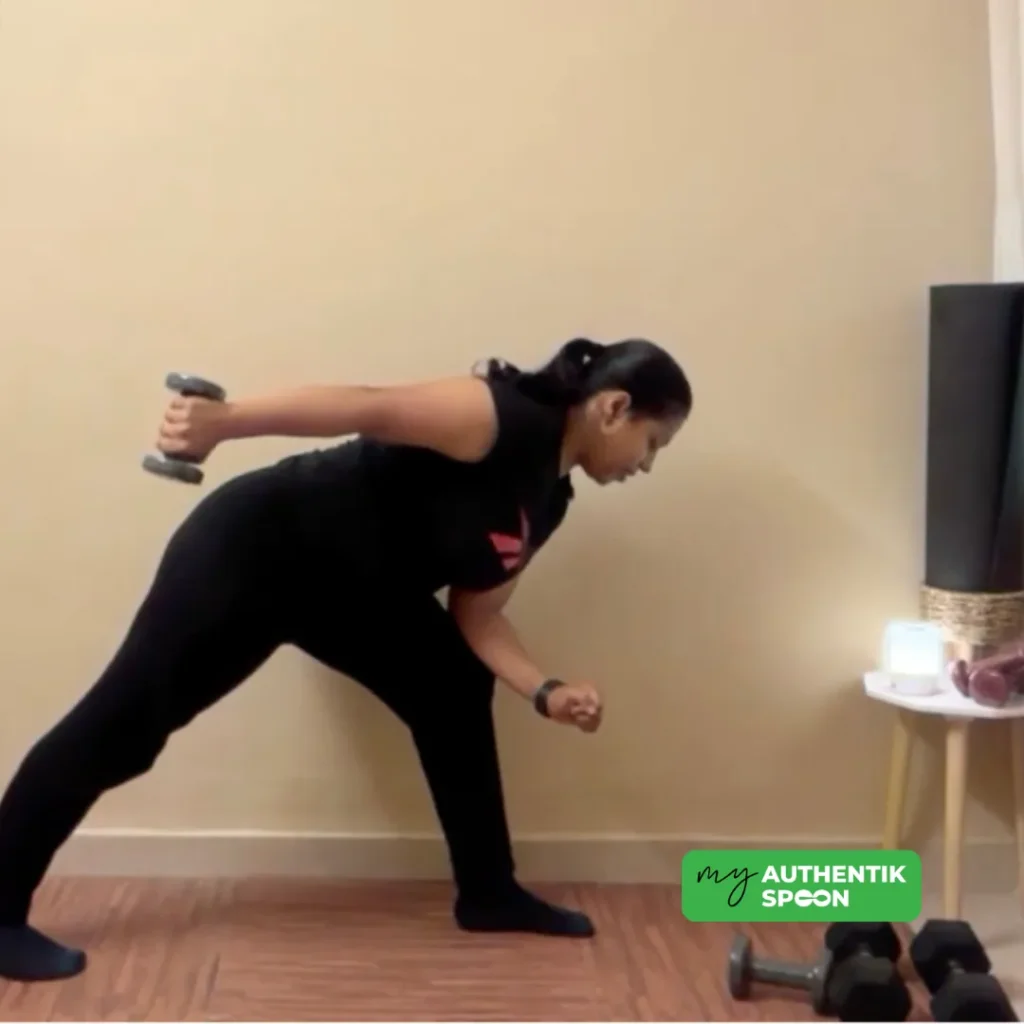
Strength training is no longer optional
For years, many women have been told that the best way to lose weight is simply to burn more calories.
They spend hours walking on treadmills, attending cardio classes or trying to out-exercise their food.
Cardiovascular exercise certainly has many health benefits.
It supports heart health, improves endurance and helps us stay active.
But cardio alone doesn’t provide the stimulus our muscles need to remain strong.
Resistance training does. Clinical insights into Exercise and estrogen deficiency-related sarcopenia show that loading the muscle is the absolute most effective way to counteract hormonal drops and protect your physical independence.
This doesn’t mean spending hours lifting heavy weights in a gym.
It can be remarkably simple:
- Bodyweight exercises.
- Resistance bands.
- Dumbbells.
- Machines.
- Pilates with progressive resistance.
- Anything that asks your muscles to work against a meaningful load.
Even two sessions each week can make a significant difference over time.
The objective isn’t becoming muscular.
It’s giving your body a reason to keep its muscle.
One of the biggest misconceptions I hear is:
“I don’t want to get bulky.”
The reality is that building large amounts of muscle is extremely difficult for women, particularly during midlife.
Most women who begin strength training simply become firmer, stronger and more confident.
Their posture improves.
Daily tasks become easier.
Their clothes fit differently.
Many even notice that they feel younger because moving becomes effortless again.
Walking remains one of the best exercises you can do
Strength training is essential.
Walking is equally valuable.
Walking doesn’t replace resistance exercise, but it complements it beautifully. It improves cardiovascular health and supports digestion.
It also helps regulate blood sugar after meal and reduces stress while encouraging recovery.
And perhaps most importantly, it keeps us moving consistently.
Many women believe exercise only counts if it leaves them exhausted.
That’s simply not true.
A twenty-minute walk after dinner can be one of the most beneficial habits you build.
Not because it burns huge numbers of calories.
But because it gently supports glucose regulation while reducing the amount of time spent sitting.
Healthy aging isn’t built through one intense workout every Saturday.
It’s built through movement that becomes part of everyday life.

Inflammation quietly influences everything
Inflammation is one of the most talked-about yet misunderstood health topics. It isn’t inherently bad; it is actually a vital part of healing when you cut your finger or fight a virus.
The real problem is chronic, low-grade inflammation that stays elevated for months or years. This state is closely linked to aging concerns like reduced insulin sensitivity, heart issues, and negative changes in body composition.
Several lifestyle factors drive this inflammatory load, including poor sleep, chronic stress, sedentary behavior, ultra-processed foods, and high alcohol intake. When these factors pile up, your body is left with fewer resources for daily recovery.
While inflammation does not directly cause muscle loss, it creates an environment that makes keeping muscle much harder. This is why focusing solely on calories misses the point. True health is not built by eating less, but by creating an internal environment where your body can function at its best.

An anti-inflammatory way of eating
One of the simplest ways to support healthy aging is by focusing on what to add to your plate rather than what to restrict. Aim to include more whole foods like vegetables, herbs, colorful fruits, legumes, healthy fats, quality protein, and fiber. These nutrient-dense options naturally deliver the vital vitamins, minerals, and antioxidants your body needs to thrive.
An anti-inflammatory way of eating does not require perfection, exotic superfoods, or expensive supplements. Simple, wholesome meals prepared consistently provide far greater long-term benefits than complicated diets you can only stick to for a few days.
When you prioritize nourishing your body, these nutrient-rich foods naturally crowd out less helpful options. It is a shift in mindset that makes healthy eating feel abundant and sustainable, rather than restrictive and exhausting.
Gut health deserves a place in the conversation
One topic I rarely see discussed when people talk about muscle is gut health.
Yet the digestive system plays a central role in almost everything we have discussed so far.
A healthy digestive system allows us to absorb the nutrients needed to build and repair muscle.
The gut microbiome also interacts with the immune system, influencing inflammatory processes that affect overall metabolic health.
Although research into the microbiome is still evolving, we already know that dietary diversity benefits many aspects of health.
Instead of chasing the latest probiotic supplement, start with the foundations:
- Eat a wide variety of vegetables.
- Include legumes when tolerated.
- Choose fibre-rich foods.
- Stay hydrated.
- Reduce ultra-processed foods.
- Eat slowly.
- Chew properly.
These simple habits support both digestion and the beneficial bacteria living inside your gut.
And because gut health influences energy, digestion and overall wellbeing, improving it often creates a ripple effect throughout the body.

Stress affects much more than your mood
When people think about stress, they usually focus on the emotional impact, but it actively alters your physiology. Busy days quickly lead to rushed meals, poor sleep, skipped workouts, and a reliance on convenience foods, which gradually shifts your body composition over time.
This is exactly why nutrition and stress management cannot be separated. You can have a perfect meal plan on paper, but if your nervous system is trapped in survival mode, following it becomes nearly impossible.
Sometimes, the healthiest choice you can make isn’t pushing through another intense workout, but simply slowing down. Taking ten deep breaths before dinner or eating lunch away from your screen can completely reset your day. True health is not just created by what you eat, but by the environment you create for your body to live in.
Never underestimate the power of sleep
If there were one habit I wish more women prioritised after 35, it would probably be sleep.
Sleep influences nearly every system involved in healthy aging.
During good quality sleep, the body repairs tissues, supports immune function, regulates appetite and recovers from physical activity.
After only a few nights of poor sleep, many women notice they feel hungrier:
- Sugary foods become more tempting.
- Exercise feels harder.
- Patience becomes shorter.
- The body is simply trying to compensate for fatigue.
This is why improving sleep often improves nutrition without directly trying to change nutrition.
Small habits can make a surprising difference:
- Reducing screens before bed.
- Eating dinner slightly earlier.
- Getting morning sunlight.
- Limiting caffeine during the afternoon.
- Keeping a consistent bedtime.
These changes don’t sound dramatic.
But repeated every day, they often produce meaningful improvements in energy, cravings and overall wellbeing.
Why yoga deserves a place alongside strength training
When people hear me recommend yoga, they often assume I am suggesting replacing strength training. Not at all. The two actually complement each other beautifully. While strength training challenges and builds your muscles, yoga helps your body recover by improving flexibility, balance, mobility, and body awareness.
Just as importantly, yoga teaches us how to slow down in a world that constantly demands we do more, work harder, and stay connected. It gives you the space to breathe, calm your nervous system, and reconnect with your body.
Many women find that a regular yoga practice helps them sleep better, feel calmer, and make healthier choices almost effortlessly. It is not because yoga burns massive amounts of calories, but because it brings balance. When you feel balanced, consistency becomes much easier, allowing you to nourish your body and live inside it more peacefully.
Seven simple ways to protect your muscle after 35
The good news is that muscle loss is not a one-way journey.
Our muscles continue responding to the right stimulus throughout life. They don’t know how old we are. They respond to how we nourish them, how we move and how well we recover.
You don’t need to transform your entire lifestyle overnight.
Small, consistent habits repeated week after week often produce far greater results than short bursts of perfection.
Here are the habits I encourage almost every woman over 35 to focus on.
1. Make protein the foundation of every meal
Rather than thinking about what to remove from your plate, start by asking yourself one simple question.
“Where is my protein?”
Whether it’s eggs, Greek yogurt, fish, chicken, tofu, lentils or beans, building your meal around protein helps support muscle maintenance while also keeping you satisfied for longer.
Many women notice that once they increase their protein intake, their cravings naturally begin to decrease.
2. Lift something twice a week
You don’t need an expensive gym membership.
Resistance bands, dumbbells or even your own body weight are enough to get started.
The important thing is to challenge your muscles regularly.
Strength training isn’t about becoming bulky.
It’s about becoming stronger.
3. Walk every day
Walking is one of the simplest habits you can build.
It supports digestion, blood sugar regulation, cardiovascular health and recovery.
A short walk after lunch or dinner can become one of the easiest habits to maintain for years.
4. Don’t fear healthy carbohydrates
Many women become frightened of carbohydrates after years of dieting.
The problem is rarely whole-food carbohydrates.
The problem is usually eating them without enough protein, fibre or healthy fats.
Instead of eliminating carbohydrates, learn how to build balanced meals.
Your body needs fuel to stay active and maintain muscle.
5. Prioritise recovery as much as exercise
Exercise creates the initial stimulus, but recovery is where the actual progress happens. Prioritizing good nutrition, quality sleep, regular rest days, and proper hydration are not signs of laziness. They are essential parts of the process required to build a stronger body.
6. Reduce your inflammatory load
You don’t need a perfect anti-inflammatory diet.
Aim for meals that include colourful vegetables, quality protein, healthy fats, herbs, spices and fibre most of the time.
At the same time, gradually reduce the foods that leave you feeling tired, bloated or unsatisfied.
Progress matters far more than perfection.
7. Think long term
One workout won’t build muscle.
One healthy meal won’t transform your metabolism.
But hundreds of small choices made consistently over months and years absolutely can.
Healthy aging is built through repetition.
Not intensity.
A simple one-week reset for your muscles
If you’re wondering where to begin, keep it simple.
This week, try focusing on just a few achievable habits:
- Have a protein-rich breakfast every morning.
- Complete two short strength-training sessions.
- Go for a ten or fifteen-minute walk after one meal each day.
- Add one extra serving of vegetables to lunch and dinner.
- Drink enough water.
- Go to bed thirty minutes earlier than usual.
You don’t need to count every calorie or follow a complicated programme.
Instead, pay attention to how you feel:
- Has your energy improved?
- Are you feeling fuller between meals?
- Do you feel stronger during everyday activities?
- Has your afternoon craving become less intense?
These small changes often appear long before dramatic changes on the scale.
The goal isn’t simply to lose weight
One of the biggest shifts I hope every woman makes after reading this article is changing the question she asks herself.
Instead of asking:
“How can I lose weight as quickly as possible?”
Try asking:
“How can I build the healthiest body possible?”
Those are two very different goals.
The first often leads to restriction.
The second focuses on strength, energy, confidence, mobility and long-term health.
Ironically, when women begin supporting their bodies instead of constantly fighting them, achieving sustainable weight loss often becomes much easier.
Want to understand why your body has changed after 35?
One of the most common things I hear from women is:
“I feel like I’m doing everything right, but nothing works anymore.”
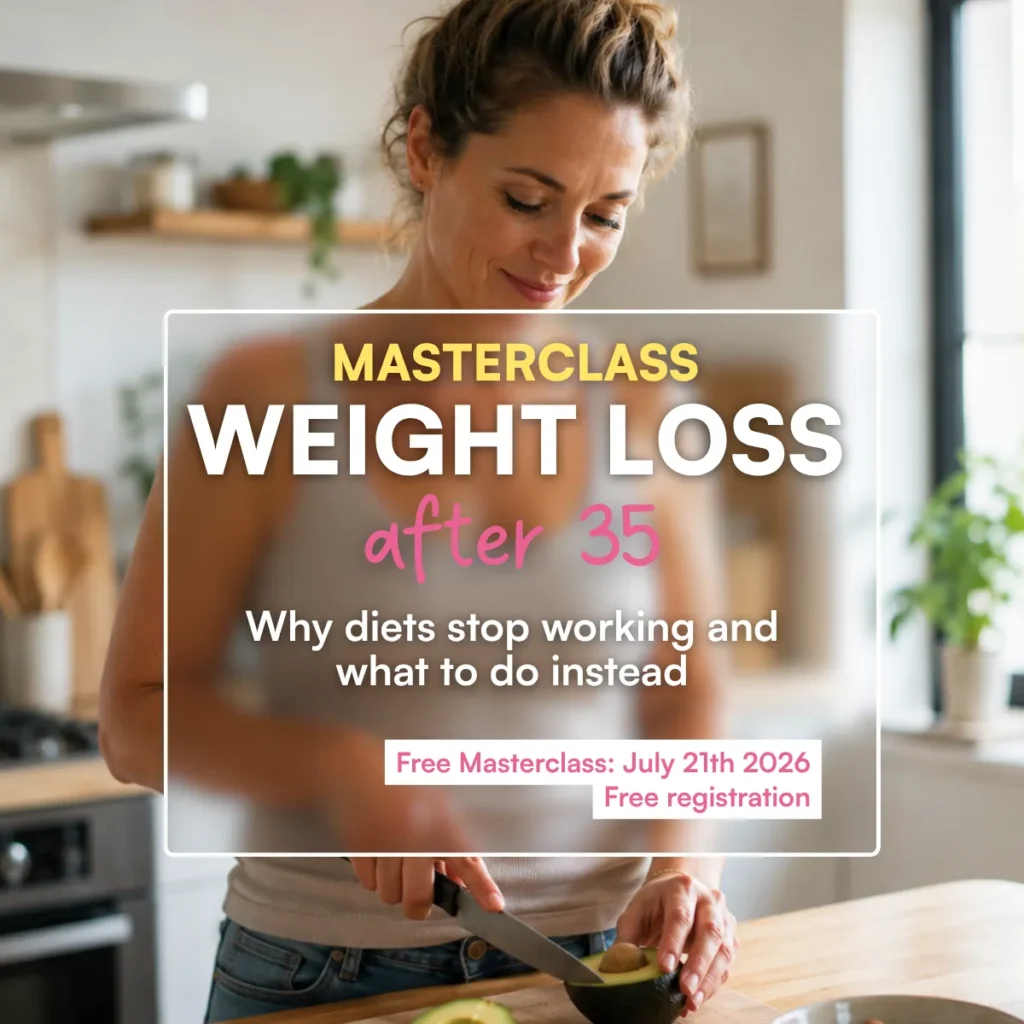
That’s exactly why I created my Weight Loss After 35 Masterclass.
During this free online session, I’ll help you understand why weight loss becomes more difficult during your late 30s, 40s and beyond.
We’ll explore how muscle, hormones, blood sugar, stress, sleep, inflammation and gut health all work together to influence your metabolism.
More importantly, I’ll show you where to focus your efforts so you can stop chasing diets that leave you exhausted and frustrated.
My goal isn’t to give you another list of rules.
It’s to help you finally understand your body.
Reserve your free place today and take the first step toward lasting change.
👉 Register for the Weight Loss After 35 Masterclass
Movement should feel supportive, not exhausting
Nutrition is one piece of healthy aging.
Movement is another.
But movement doesn’t always have to be intense.
Alongside strength training and walking, I encourage many women to include practices that calm the nervous system as well as strengthen the body.
That’s one reason I love the work Marine does through our Hormonal Balance Yoga Membership.

Her classes help women reconnect with their bodies, reduce stress, improve mobility and create a weekly rhythm that supports both physical and emotional wellbeing.
If you’ve always felt that exercise had to leave you exhausted to be effective, yoga can completely change that perspective.
Sometimes the most powerful thing we can do for our health is simply slow down.
You can experience everything with a 10-day free trial, with no payment today and the freedom to cancel anytime during your trial.
When nourishing food meets mindful movement, the results often become even more powerful.
👉 Start your free Yoga Membership 10-Day trial
Healthy aging isn’t about looking younger
The wellness industry often tells women they should fight aging, but I don’t see it that way. Aging is a privilege. Our goal shouldn’t be to look twenty-five forever, but rather to reach our 50s, 60s, 70s and beyond feeling strong, capable, and entirely independent.
True health means having the freedom to continue traveling, playing with grandchildren, carrying shopping bags without pain, and moving with ease. Muscle plays an essential role in all of that, which is why protecting it deserves just as much attention as protecting your heart, bones, or brain.
The choices you make today are direct investments in the woman you will become tomorrow. Fortunately, it is never too early, or too late, to start making those investments.
Final thoughts
Many women believe that turning 35 means accepting a slower metabolism, stubborn weight gain, and declining energy. Thankfully, that is not the full story. While your body changes, hormones fluctuate, and keeping muscle requires more intention than it did twenty years ago, your system remains incredibly adaptable.
Every protein-rich meal, strength session, daily walk, and good night’s sleep sends the exact same message to your system: this body is worth protecting.
Real health is never about punishing yourself to become smaller. It is about becoming stronger, building better habits, gaining confidence, and ultimately creating a resilient relationship with your body that lasts.
Frequently asked questions
Why do women lose muscle after 35?
Muscle loss is influenced by several factors, including aging, lower physical activity, inadequate protein intake, poor sleep and reduced resistance exercise. During perimenopause and menopause, hormonal changes may make maintaining muscle more challenging.
Does muscle loss slow metabolism?
Muscle contributes to daily energy expenditure and plays an important role in insulin sensitivity and blood sugar regulation. Losing muscle can reduce overall activity levels and make maintaining a healthy body composition more difficult, although metabolism is influenced by many factors.
Can women build muscle after 40 or 50?
Absolutely. Research consistently shows that women can build strength and muscle well into later life when they combine resistance training with adequate nutrition and recovery. It’s never too late to start.
How much protein should women over 35 eat?
Protein needs vary depending on age, activity level, body weight and health status. Rather than focusing only on total daily intake, try including a quality protein source at every main meal to support muscle maintenance throughout the day.
Is walking enough to prevent muscle loss?
Walking is excellent for cardiovascular health, blood sugar regulation and overall wellbeing. However, maintaining muscle usually requires some form of resistance exercise in addition to regular walking.
What’s the best exercise after 35?
There isn’t one perfect exercise. A balanced routine often includes strength training, walking, mobility work and activities you genuinely enjoy and can maintain consistently.
Can yoga help preserve muscle?
Yoga improves flexibility, balance, mobility and muscular endurance while supporting stress management and recovery. Although it shouldn’t completely replace resistance training, it complements it extremely well and can help women stay active and consistent.
Does gut health affect muscle and metabolism?
An unhealthy gut doesn’t directly cause muscle loss, but good digestion helps your body absorb the nutrients needed to support muscle maintenance. A diverse, fibre-rich diet also supports a healthy gut microbiome, which plays an important role in overall metabolic health.
Is menopause the reason I’m gaining weight?
Menopause can contribute to changes in body composition and fat distribution, but it isn’t the only factor. Muscle loss, reduced activity, poor sleep, stress, nutrition and insulin sensitivity all influence weight during this stage of life.
What’s the most important habit to start today?
If I had to choose just one, it would be this: Start building your meals around protein and begin strength training twice a week.
Those two habits alone can create remarkable improvements in muscle health, metabolism and healthy aging when practised consistently.
Let’s continue learning & growing together!
• Explore our blog for naturopathic recipes and wellness advice.
• Sign up for our newsletter to receive exclusive health content straight to your inbox.
• Share your thoughts and comments on social media and tag us with #myauthentikspoon
About the author

Asmaa Lahlou is the co-founder of MyAuthentikSpoon, a naturopathic program dedicated to empowering individuals to make smarter food choices for improved well-being. If you’re ready to tackle wellness with a fresh perspective, schedule a complimentary private consultation with Asmaa to receive personalised dietary insights and weight management strategies. This is your opportunity to have your questions answered and to learn how to incorporate the food choices into your lifestyle and achieve a better wellbeing.

