

If you feel like food has started controlling you more than you control food, you are not alone.
Many women reach a point where hunger feels confusing. They eat a proper meal, but still want something sweet. They promise themselves they will stop snacking at night, but the cravings return. They know what healthy eating looks like, but stress, fatigue and emotions keep pulling them back into the same patterns.
For some women, this starts slowly.
A little more chocolate after dinner. More snacking during stressful weeks. Stronger cravings before the period. Less control around bread, sugar or salty foods. More belly fat despite eating “well” most of the time.
Then after 35, it can feel even harder to manage.
The same habits that used to work no longer bring the same results. Cutting calories feels more difficult. Exercise does not move the scale as quickly. Sleep becomes lighter. Stress feels heavier. Cravings feel louder.
This is often when women start blaming themselves.
They think they lack discipline.
But emotional eating is rarely just about willpower.
It is often the body asking for something else: better blood sugar balance, more protein, less stress, deeper sleep, gut support, hormone support, emotional safety, or simply a more realistic rhythm.

Emotional eating or real hunger?
Real hunger usually builds gradually.
It often appears a few hours after eating. It can be satisfied by a balanced meal. It may come with physical signs such as an empty stomach, lower energy, reduced focus or mild irritability.
Emotional hunger feels different.
It often appears suddenly. It feels urgent. It usually asks for a specific food, often sugar, bread, chocolate, biscuits, crisps or something creamy, salty or comforting.
With emotional hunger, eating may bring temporary relief, but not real satisfaction.
You may finish the snack and still feel like something is missing. This is because eating in response to emotions is not always about the stomach. Very often, it is about the nervous system, hormones, blood sugar, stress, fatigue or emotional overload.
This distinction is important.
Because when we treat every craving as a discipline problem, we miss the real message.

Why cravings become harder to manage after 35
Many women notice that emotional-eating becomes more difficult to manage in their mid-30s, 40s and 50s.
This is not imagined.
After 35, the body often becomes more sensitive to stress, poor sleep, unstable blood sugar and hormonal changes. Muscle mass can gradually decline if it is not protected. Insulin sensitivity can change. Recovery can become slower. Perimenopause can begin years before menopause, even when cycles are still regular.
This can affect:
- cravings
- belly fat
- sleep quality
- mood
- digestion
- energy
- inflammation
- motivation to exercise
- weight loss resistance
This is why old strategies often stop working.
Skipping meals, eating very little, exercising harder or trying another strict diet may create more stress in a body that already feels under pressure.
After 35, sustainable weight loss needs a different foundation.
It needs nourishment, rhythm, strength, stress regulation, gut support and hormone balance.
How stress changes your hunger signals

Stress is one of the most overlooked reasons behind emotional-eating.
When stress is occasional, the body can usually adapt. But when stress becomes constant, the nervous system can stay in a state of alert.
This can affect cortisol, blood sugar, digestion, cravings and sleep.
Many women notice that during stressful periods they do not crave steamed vegetables. They crave quick comfort. Sugar, bread, chocolate, biscuits, cheese, crisps or something easy to eat while standing in the kitchen.
This does not mean the body is broken.
It means the body is looking for fast relief.
The problem is that the foods we often reach for during stress can make the cycle worse. They may give comfort for a few minutes, then lead to more cravings, more fatigue, more inflammation, more guilt and more unstable energy.
This is why stress management is not a “nice extra” in weight loss.
It is part of the foundation.
The role of hormones in cravings and weight gain
Hormones influence hunger, mood, sleep, water retention, digestion, fat storage and energy.
This becomes especially important during perimenopause and menopause.
As estrogen and progesterone fluctuate, many women notice stronger cravings, more emotional sensitivity, disrupted sleep, more belly fat and less tolerance to stress.
This can feel very frustrating because the body seems to change without permission.
Many women say:
- “I am eating the same, but gaining weight.”
- “I never had these cravings before.”
- “My belly has changed.”
- “I feel more inflamed.”
- “I don’t feel like myself.”
This is exactly why weight loss after 35 needs to include hormone support.
Supporting hormones naturally does not mean chasing perfection. It means building habits that help the body feel more stable.
This includes enough protein, anti-inflammatory meals, healthy fats, strength training, gut health, better sleep, nervous system regulation and less ultra-processed food.
Why ultra-processed foods make cravings harder to resist?
Ultra-processed foods are designed to be easy to eat.
Very easy.
They are often low in fibre, low in real nutrients and high in combinations of sugar, salt, refined starches, additives and processed fats.
This can make them difficult to stop eating, especially when you are tired, stressed or emotionally overwhelmed.
They can also affect satiety. You may eat enough calories but still not feel truly nourished.
This is one reason someone can snack a lot and still feel unsatisfied.
The body receives energy, but not enough nourishment.
Reducing ultra-processed foods does not mean never enjoying anything again. It means reducing the daily triggers that keep the body stuck in cravings, inflammation and unstable energy.
Simple swaps can make a big difference:
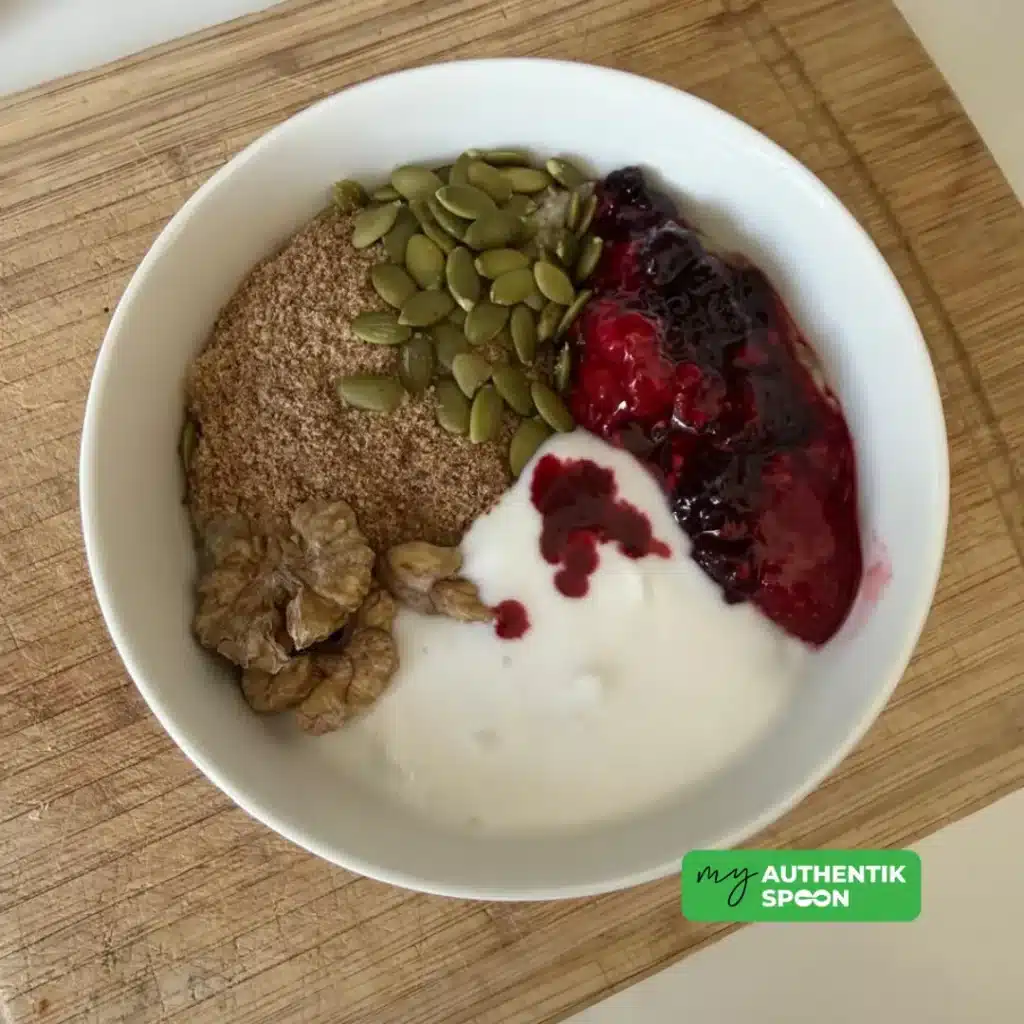
- Greek yogurt with berries instead of sweet biscuits
- eggs and avocado instead of a sugary breakfast
- homemade hummus with vegetables instead of crisps
- chia pudding instead of dessert every night
- a protein smoothie instead of skipping breakfast
- dark chocolate with nuts instead of processed sweets
The goal is not restriction.
The goal is helping your body feel calmer and better fed.
Gut health, inflammation and appetite regulation
Gut health affects far more than digestion.
The gut microbiome is connected to inflammation, immune balance, hormone metabolism, appetite regulation, mood and energy.
When gut health is imbalanced, many women experience symptoms that seem unrelated at first:
- bloating
- constipation
- fatigue
- brain fog
- sugar cravings
- skin issues
- poor sleep
- low mood
- increased inflammation
This can make weight loss harder because the body is not only dealing with food intake. It is also dealing with irritation, inflammation and poor communication between the gut and the brain.
An anti-inflammatory approach can help support this terrain.
Helpful foundations include:
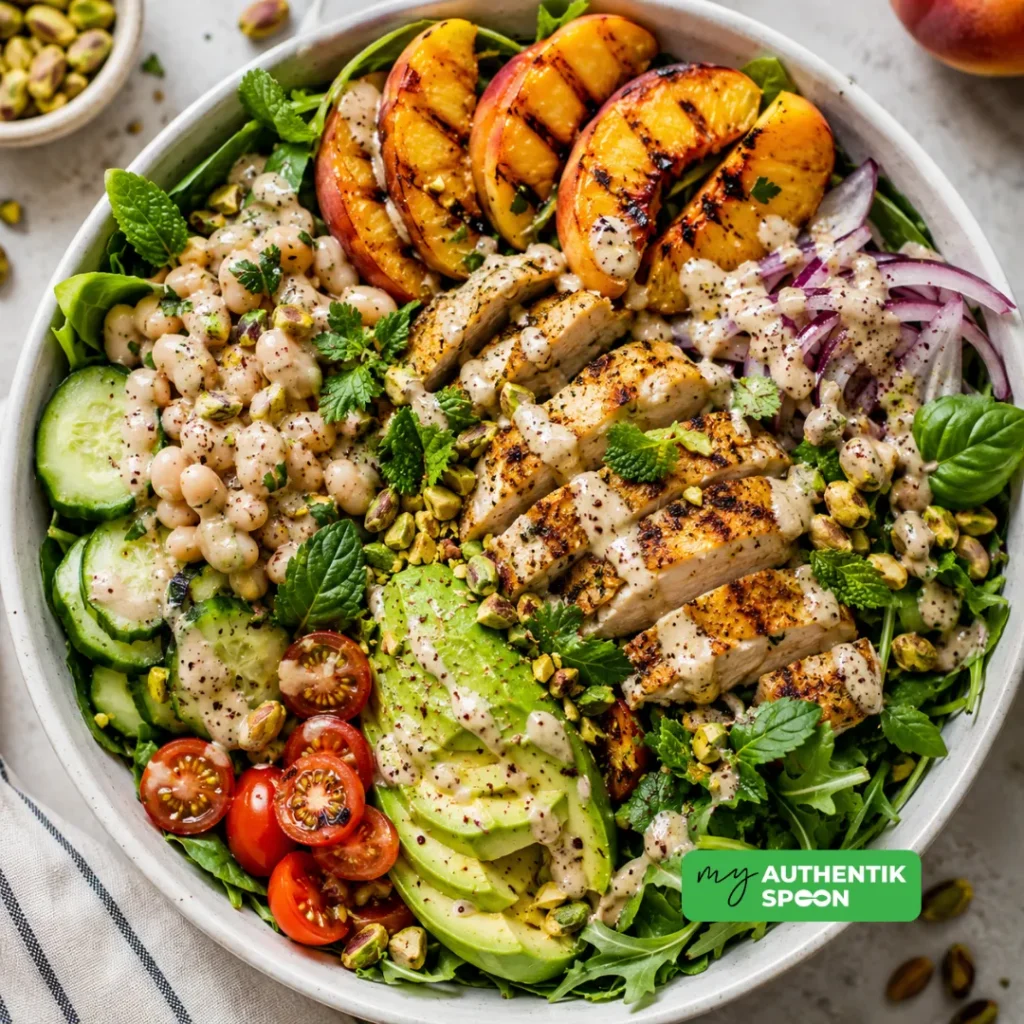
- colourful vegetables
- enough protein
- omega-3 rich foods
- olive oil
- herbs and spices
- berries
- fibre
- fermented foods when tolerated
- hydration
- daily movement
- better sleep
Gut health is not about adding one probiotic and hoping everything changes.
It is about creating a daily environment where the body can digest, absorb, eliminate and regulate better.
6 signs your body is asking for something else
1- You crave sugar after a stressful day
If your sugar cravings appear mostly after stressful days, your body may be asking for nervous system support more than dessert.
Stress increases the need for quick energy and comfort. Sugar can feel like the easiest way to calm down, especially when you have been holding everything together all day.
The real need may be rest, breathing, sleep, emotional release or a more balanced dinner.
A helpful first step is to create a transition ritual before the craving hits.
- A short walk.
- A warm shower.
- A few minutes of yoga.
- A herbal tea.
- Ten slow breaths before entering the kitchen.
This helps tell the body: the stressful part of the day is over.
2- You snack even after eating a meal
If you keep snacking after meals, the meal may not have been balanced enough.
Many women eat meals that look healthy but are too low in protein, fibre or healthy fats.
A bowl of soup may be nourishing, but not enough. A salad may be colourful, but too light. A smoothie may be full of fruit, but not enough protein.
When meals do not create satiety, cravings arrive quickly.
A better plate usually includes protein, fibre, healthy fats and colourful plants.
This is one of the simplest ways to feel more satisfied between meals without feeling deprived.
3- You feel hungry shortly after eating
If hunger comes back one or two hours after a meal, blood sugar may be part of the problem.
Meals that are high in refined carbohydrates and low in protein can create a quick rise and drop in blood sugar.
That drop can feel like hunger, but it may also feel like anxiety, irritability, fatigue or a strong need for coffee or sugar.
This is why blood sugar balance matters more than calorie counting for many women.
When energy is more stable, cravings are often easier to manage.

4- You crave more before your period or during perimenopause
Cravings can become stronger before the period because hormonal changes affect mood, appetite and energy.
During perimenopause, these changes can become even more unpredictable.
One month may feel easy. The next month may feel completely different.
This is why women should not use the same rigid plan every single day and expect the body to respond the same way.
The body needs support that adapts to hormonal reality.
More protein, magnesium-rich foods, fibre, omega-3s, sleep support, gentle movement and reduced alcohol or sugar can all help during more sensitive phases.
5- You eat when you are tired, overwhelmed or emotionally full
Sometimes, what feels like hunger is really your body asking for a moment of relief after carrying too much for too long.
- Too many responsibilities.
- Too many decisions.
- Too much mental load.
- Too little rest.
- Too little space for yourself.
Food becomes the easiest pause.
This is especially common for women who spend the day caring for everyone else.
The solution is not simply to remove the food.
The solution is to add other ways to pause.
- A five-minute breathing practice.
- A short yoga session.
- A walk alone.
- A proper lunch away from the screen.
- An earlier bedtime.
- A conversation instead of silent overwhelm.
When the body feels safer and better supported, the urge to seek comfort through food often fades naturally.
6- You constantly think about food
If food is always on your mind, your body may be under-supported.
This often happens after dieting, skipping meals, sleeping poorly or living under chronic stress.
It can also happen when ultra-processed foods are too present, because they can keep the brain looking for more reward.
Instead of asking, “Why am I so weak?”, ask:
- Am I eating enough protein?
- Am I sleeping enough?
- Is my blood sugar stable?
- Am I under too much stress?
- Is my gut inflamed?
- Am I using food as my only comfort?
These questions are much more useful.
They help you understand the root cause instead of fighting the symptom.
Why blood sugar balance matters more than willpower

Many women believe they simply need more motivation or self-control.
But motivation becomes very difficult when blood sugar is unstable.
A blood sugar crash can feel like a craving. It can also feel like anxiety, low mood, shakiness, fatigue or irritability.
This is why balanced meals are so powerful.
They help the body feel safe.
A supportive plate usually includes:
- protein
- fibre
- healthy fats
- colourful vegetables
Examples include:
- eggs with avocado and greens
- Greek yogurt with chia seeds and berries
- salmon with roasted vegetables
- lentils with tahina and herbs
- chicken with salad, olive oil and quinoa
- tofu with vegetables and sesame dressing
This does not need to be complicated.
It simply needs to be consistent.
How exercise helps regulate appetite naturally?

Exercise can help regulate appetite, but only when it supports the body rather than placing it under additional stress.
Movement helps with blood sugar regulation, mood, digestion, inflammation, sleep and muscle maintenance.
After 35, this becomes even more important because muscle is one of the foundations of metabolic health and healthy aging.
But more intensity is not always the answer.
If a woman is already exhausted, sleeping badly and under-eating, adding intense workouts may increase fatigue and cravings.
A balanced approach is often better:
- walking after meals
- strength training 2 to 3 times per week
- gentle cardio
- mobility work
- stretching
- yoga
- breathwork
Movement should help you feel stronger, calmer and more energized.
It should not feel like punishment for what you ate.
How yoga supports stress, hormones and emotional balance

Yoga can be especially beneficial for women who find themselves turning to food during periods of stress, fatigue or hormonal change.
This is because yoga works through the nervous system.
Gentle movement, breathing and relaxation can help the body shift out of constant stress mode.
When the nervous system feels calmer, digestion can improve. Sleep can improve. Cravings can become less intense. Emotional reactions can feel easier to manage.
This is why yoga fits so naturally with nutrition.
Food supports the body from one direction.
Yoga supports the body from another.
Together, they can help women feel more balanced, connected and in control.
A realistic detox approach to reduce cravings and gain energy

Detox is often misunderstood.
A real detox is not about starving, juicing or forcing the body into extremes.
The body already detoxifies naturally through the liver, gut, kidneys, lungs and skin.
The goal is to support these systems properly.
A realistic detox approach can help reduce cravings when it focuses on nourishment.
This may include:
- hydration
- enough protein
- cruciferous vegetables
- bitter greens
- fibre
- regular bowel movements
- sweating through movement
- better sleep
- less alcohol
- less refined sugar
- less ultra-processed food
A good detox should help you gain energy.
It should not leave you exhausted, obsessed with food or afraid of eating.
Simple habits to feel more in control around food
If you often find yourself eating for comfort, start small.
Trying to change everything at once often creates more pressure.
Begin with the foundations that make the biggest difference:
- eat protein at breakfast
- avoid skipping meals
- drink enough water
- walk after one meal daily
- reduce ultra-processed snacks at home
- eat slowly
- sleep 30 minutes earlier
- add one calming practice each day
- include fibre at every meal
- build satisfying meals, not tiny meals
These habits may sound simple, but they are powerful when repeated.
The goal is not to become perfect.
The goal is to stop living in a cycle of restriction, cravings and guilt.
Join the Weight Loss After 35 Masterclass
If you feel stuck with stubborn weight gain, belly fat, bloating, cravings, low energy or constant snacking, I would love to invite you to my free masterclass:
Weight Loss After 35: Why Diets Stop Working and What To Do Instead
In this masterclass, I will guide you through why weight loss becomes harder after 35 and what your body may actually be asking for.
You will learn:
- why diets stop working after 35
- how hormones, stress, sleep and blood sugar affect weight
- what drives cravings and belly fat
- Why willpower alone isn’t enough
- how to start addressing the root causes
- what to focus on first to feel better and regain control
This is not about eating less and exercising more.
It is about understanding your body differently.
👉 Register for the Weight Loss After 35 Masterclass
Support your hormones and stress with Marine’s Yoga Membership

Nutrition works better when the nervous system is supported too.
This is why Marine’s Hormonal Balance Yoga Membership is such a helpful complement for women navigating stress, poor sleep, fatigue, emotional overload, perimenopause or menopause.
Inside the membership, you get:
- one live yoga class every week
- unlimited replay access
- a growing library of classes
- gentle practices for stress, sleep and hormones
- breathwork and relaxation
- a private WhatsApp community
- a 10-day free trial
The practices are gentle, accessible and designed for real life.
You do not need experience.
You do not need to be flexible.
You only need a little space to pause, breathe and reconnect with your body.
👉 Start your free Yoga Membership 10-Day trial
FAQ
What is emotional-eating?
Emotional-eating happens when food is used to respond to stress, emotions, fatigue or overwhelm rather than physical hunger.
How do I know if it is emotional hunger or real hunger?
Real hunger usually builds gradually and can be satisfied by a balanced meal. Emotional hunger often appears suddenly, feels urgent and usually asks for a specific comfort food.
Can emotional-eating cause weight gain?
Yes. Emotional-eating can contribute to weight gain, especially when it happens often and involves ultra-processed foods, sugar or frequent snacking.
Why do I crave sugar when I am stressed?
Stress can affect cortisol, blood sugar and reward pathways in the brain, making quick-energy foods feel more appealing.
Why is emotional-eating worse after 35?
After 35, hormonal changes, stress, lower muscle mass, sleep disruption and blood sugar changes can make cravings stronger and weight loss harder.
Can gut health affect cravings?
Yes. Gut health can influence digestion, inflammation, appetite regulation, mood and energy, all of which may affect cravings.
Can detox help reduce emotional-eating?
A nourishing detox can help when it supports digestion, hydration, blood sugar balance and energy. Extreme detoxes are not recommended.
Does yoga help emotional-eating?
Yoga can help emotional-eating by reducing stress, supporting sleep, calming the nervous system and improving body awareness.
What foods help reduce emotional-eating?
Protein-rich foods, fibre-rich vegetables, healthy fats, berries, legumes, herbs, spices and whole foods can help support satiety and stable energy.
How can I stop emotional-eating naturally?
Start with balanced meals, enough protein, better sleep, stress regulation, gut support, daily movement and a calmer eating rhythm.
Final thoughts
Emotional-eating does not mean you are weak.
It does not mean you have failed.
And it does not mean your body is working against you.
Very often, it is a signal.
A signal that your body needs more stability.
More nourishment.
More rest.
More support.
More rhythm.
More compassion.
After 35, this becomes even more important because the body changes. Hormones shift. Stress has a stronger impact. Sleep matters more. Muscle matters more. Gut health matters more.
The solution is not another extreme diet.
It is learning how to listen differently.
When you understand what your hunger is really asking for, weight loss becomes less about control and more about connection.
Less punishment.
More support.
Less restriction.
More rhythm.
Less guilt.
More understanding.
And that is where sustainable change begins.
Let’s continue learning & growing together!
• Explore our blog for naturopathic recipes and wellness advice.
• Sign up for our newsletter to receive exclusive health content straight to your inbox.
• Share your thoughts and comments on social media and tag us with #myauthentikspoon
About the author

Asmaa Lahlou is the co-founder of MyAuthentikSpoon, a naturopathic program dedicated to empowering individuals to make smarter food choices for improved well-being. If you’re ready to tackle wellness with a fresh perspective, schedule a complimentary private consultation with Asmaa to receive personalised dietary insights and weight management strategies. This is your opportunity to have your questions answered and to learn how to incorporate the food choices into your lifestyle and achieve a better wellbeing.

