

Fermented foods for sugar cravings may be one of the most overlooked tools when you feel stuck in the cycle of cravings, energy crashes, bloating, and difficulty losing weight.
From my experience helping clients, cravings are rarely just about willpower. Very often, they are a message.
Your body may be asking for steadier blood sugar. Better nourishment. More nervous system support. Or a healthier gut environment.
And this is where fermented foods can become surprisingly helpful.
Not because they are trendy. Not because they are magic. But because they may help support the gut microbiome, improve dietary quality, and reduce some of the patterns that keep cravings going.
Research suggests fermented foods can help increase microbiome diversity, and diets rich in fermented foods have been associated with lower inflammatory markers in some human studies.
Why sugar cravings happen in the first place
Sugar cravings usually do not appear out of nowhere.
What I often see in practice is a combination of factors building up quietly in the background:
- blood sugar spikes and crashes
- low protein meals
- poor sleep
- chronic stress
- gut imbalance
- emotional eating patterns
- too much ultra-processed food
- not eating enough real, satisfying meals
This matters because if you only try to “cut sugar,” without fixing the reason your body keeps asking for it, the cycle often continues. Blood sugar swings from refined carbohydrates and sugary foods can make cravings feel more urgent, especially when energy then drops.

The blood sugar connection most people miss
One of the fastest ways to trigger cravings is unstable blood sugar.
When a meal is high in refined carbs or sugar and low in protein, fiber, and healthy fats, blood glucose tends to rise quickly. Then it often drops faster too. That drop can leave you tired, irritable, foggy, and suddenly wanting something sweet again.
This is why cravings often show up:
- mid-morning
- late afternoon
- after dinner
- late at night after an unbalanced day of eating
So before we even talk about fermented foods, one truth is important: cravings soften much faster when meals feel stable.
That means building more meals around protein, fiber, and healthy fats.
The gut microbiome and cravings
Now let’s come to the part that makes fermented foods so interesting.
Your gut is home to trillions of microorganisms. This ecosystem, often called the gut microbiome, plays a role in digestion, immune function, inflammation, and communication with the brain. Harvard Health and several scientific reviews describe the microbiome as deeply connected to overall health, including metabolic and immune regulation.
When the gut environment is less balanced, many people notice:
- more bloating
- irregular digestion
- lower resilience to stress
- more intense cravings
- lower energy
- more “snacky” eating
We still need to be careful with the language here. Fermented foods do not “cure” cravings on their own. But a healthier gut environment may reduce some of the pressure behind them, especially when fermented foods are part of a broader anti-inflammatory, blood-sugar-friendly lifestyle. Reviews on fermented foods suggest they can influence the gut microbiome in both the short and longer term.
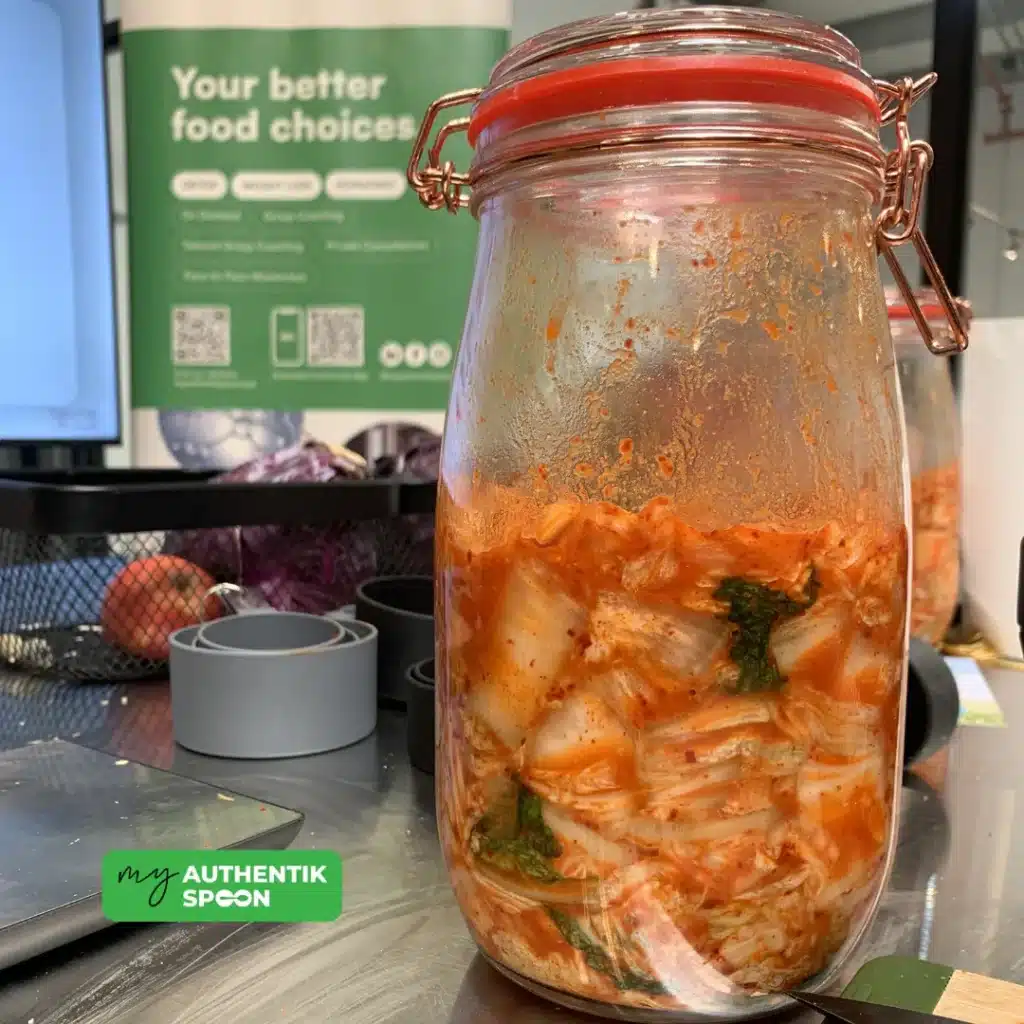
Fermented foods for sugar cravings: why they can help naturally
Fermented foods are foods transformed by beneficial microbes. Depending on the food, they may provide live microorganisms, organic acids, bioactive compounds, and fermentation by-products that help support gut ecology.
Examples include:
- sauerkraut
- kimchi
- kefir
- miso
- tempeh
- lacto-fermented vegetables
- some traditionally brewed kombucha
Harvard Health notes that naturally fermented foods may help strengthen the gut microbiome, while Stanford’s well-known Fe-Fi-Fo study found that a diet higher in fermented foods increased microbiome diversity and lowered multiple inflammatory markers over a 10-week period in healthy adults.
That does not mean you need huge amounts.
One gentle place to start is simply adding small portions regularly and seeing how your body responds.

How fermented foods may reduce sugar cravings naturally
Here is the practical explanation.
Fermented foods may help with cravings through several pathways:
1. They can support a healthier gut environment
A more diverse, resilient microbiome may help reduce some of the dysbiosis patterns linked with poor dietary habits and repeated cravings. The evidence is still developing, but the microbiome connection is strong enough that it deserves a place in any realistic cravings strategy.
2. They can improve meal quality
People who start using fermented foods often begin eating more real food overall. A lunch with wild salmon, greens, olive oil, and sauerkraut is very different from a lunch of crackers and sweet coffee. This shift alone can reduce cravings.
3. They can support digestion
Fermented foods may help some people digest meals more comfortably and diversify what they eat. Better digestion often means better meal satisfaction, which can help reduce the search for something sweet afterward.
4. They fit well into anti-inflammatory eating
Diet patterns rich in minimally processed foods, fiber, and fermented foods are often more supportive of inflammation balance than patterns built around refined, sugary, ultra-processed foods. Some fermented-food research has also shown reductions in inflammatory markers.
Fermented foods, inflammation, and healthy aging
This matters beyond cravings.
When sugar intake is high and diet quality is poor, inflammation often rises, energy becomes less stable, and healthy aging becomes harder to support. WHO guidance recommends limiting free sugars, with a strong recommendation to stay below 10% of total energy intake and a conditional recommendation for further benefits below 5%.
A more anti-inflammatory way of eating does not need to be extreme. It can look like this:
- vegetables at most meals
- enough protein
- olive oil, nuts, seeds, avocado
- fewer ultra-processed snacks
- lower added sugar
- regular movement
- some fermented foods if tolerated
This kind of pattern can support gut health, help gain energy, and make weight loss feel more realistic.

Can fermented foods help with weight loss?
Indirectly, yes. Directly, not in a miracle way.
Fermented foods do not burn fat. But they can support some of the systems that make sustainable weight loss easier:
- better meal satisfaction
- fewer ultra-processed foods
- steadier eating patterns
- improved gut health
- possibly lower inflammation
- better metabolic habits overall
From my experience, the biggest shift happens when people stop relying on restriction and instead start building meals that truly satisfy them.
That is when the urge to snack all day often begins to calm down.
Fermented foods and hormones
Can fermented foods balance your hormones on their own? No.
But gut health, inflammation, blood sugar balance, sleep, and stress all influence hormonal health in different ways. So when you improve gut balance and reduce the all-day blood sugar roller coaster, you are also supporting the foundation hormones rely on.
This is especially relevant for women dealing with:
- PMS
- perimenopause
- fatigue
- bloating
- emotional eating
- stubborn weight gain
Again, this is not a direct cause-and-effect promise. It is a systems-support approach.
The role of sleep, stress, and emotional eating
Sometimes cravings are not about hunger at all.
They are about relief.
Poor sleep is one of the fastest ways to amplify cravings. Research has linked shorter sleep with higher intake of sugar-sweetened beverages and poorer glucose control the next day. Sleep deprivation also affects appetite regulation and food reward pathways.

Stress matters too. Chronic stress can shift eating behaviors and push people toward more rewarding, quick-energy foods.
This is why cravings need a bigger conversation than “just stop sugar.”
You may need:
- better meals
- better sleep
- calmer evenings
- more protein
- less restriction
- more nervous system support
How exercise helps reduce cravings
Exercise is not a punishment tool here.
The right kind of movement can help improve insulin sensitivity, support glucose uptake by muscle, and reduce stress, all of which can help with cravings over time. Reviews continue to support physical activity as beneficial for insulin resistance and metabolic health.
The most useful options are often the simplest:
- 10 to 15 minute walks after meals
- strength training 2 to 3 times per week
- yoga for stress regulation
- daily movement breaks if you sit most of the day
Consistency matters more than intensity.
Best low-sugar fermented foods to choose
If your goal is to reduce sugar cravings, choose fermented foods that support you without adding much sugar back in.
Good options include:
- sauerkraut with simple ingredients
- kimchi with low or no added sugar
- plain kefir
- miso
- tempeh
- fermented cucumbers or carrots
- kombucha with low residual sugar and simple ingredients
Harvard notes that many fermented foods contain common probiotic genera such as Lactobacillus and Bifidobacterium, though not every fermented food contains live cultures in meaningful amounts.
How to read labels when buying fermented foods
This part is important because many supermarket products look healthy but are not ideal.
Look for:
- short ingredient list
- no or very little added sugar
- words like “raw,” “naturally fermented,” or “live cultures” where appropriate
- refrigeration for products that should contain live cultures
- no unnecessary colors or sweeteners
Be careful with:
- sweetened yogurts
- flavored kefir with lots of sugar
- kombucha loaded with juice or sugar
- shelf-stable “pickled” products made mostly with vinegar rather than true fermentation
Not every vinegar pickle is a fermented food.
How to start fermented foods safely
Start small. This is one of the biggest mistakes people make.
A gentle starting plan could be:
Day 1 to 3
- 1 teaspoon sauerkraut or kimchi with lunch
Day 4 to 7
- 1 to 2 tablespoons with one meal
Week 2 onward
- rotate options such as yogurt, kefir, miso, or fermented vegetables
Pay attention to:
- bloating
- gas
- reflux
- headaches
- flushing
- skin reactions
Some people do very well. Others need a slower pace.
Common mistakes with fermented foods
Here are the mistakes I see most often:
- starting with too much too quickly
- choosing sugary products
- expecting instant results
- using fermented foods while meals are still unbalanced
- ignoring protein and fiber
- assuming more is always better
- using them during a flare without checking tolerance
Fermented foods are helpful tools, not substitutes for overall nutrition.
Who should introduce fermented foods more carefully
Extra care may be needed if you have:
- histamine intolerance symptoms
- severe IBS flare-ups
- active inflammatory bowel symptoms
- very sensitive digestion
- major reflux triggered by acidic foods
- immune compromise where personalized guidance is important
That does not always mean “avoid forever.” It may simply mean start smaller, choose gentler options, or use practitioner support.
A realistic daily plate that helps cravings more than willpower
If you want cravings to soften, this is the most useful base:
At each main meal, include:
- protein
- fiber
- healthy fat
- optional fermented food
For example:
- eggs, sautéed greens, avocado, and a spoon of sauerkraut
- salmon bowl with quinoa, cucumber, herbs, olive oil, and kimchi
- lentils with roasted vegetables, tahini, and fermented carrots
- plain yogurt with chia, walnuts, berries, and a savory meal later in the day
This is what real detox support looks like too.
Not starvation. Not juice-only plans.
Just better inputs:
- more whole foods
- more hydration
- less added sugar
- more fiber
- better digestion
- more stability
Join our free 10-Day Sugar Reset Coaching Program
If this article is speaking to you, and you know you need more than information, this is the next step I would recommend.
Our free 10-Day Sugar Reset Coaching Program starts on May 3rd, 2026.
This is designed for people who are tired of:
- constant cravings
- energy crashes
- brain fog
- bloating
- difficulty losing weight
- feeling out of control around sugar

Inside the program, you will receive:
- live nutrition coaching
- live yoga sessions
- live mindset coaching
- community support
- easy access inside our app
- free access to our Reset and Yoga Membership content during the program
Meet your expert



Many participants notice:
- fewer cravings
- more stable energy
- clearer thinking
- improved digestion
- less food noise
- feeling lighter and more in control
This is not about perfection. It is about giving your body 10 days of calm, structure, and support.
If your cravings have been trying to tell you something, this is a powerful place to listen and reset.
This is a community coaching program, 100% free and open to everyone.
Just register to receive your access link. We start together on May 3rd.
👉 Register now to secure your spot
In Dubai? Join our Fermented Foods Tasting Session with Tabchilli
If you are based in Dubai and want a more hands-on experience, we created something special for you.
Our Fermented Foods Tasting Session with Tabchilli takes place on Thursday, May 7th, 2026 at 10 AM.

This session is ideal if you want practical help with:
- cravings
- gut health
- low energy
- digestion
- understanding fermented foods in real life
You will enjoy:
- guided tasting of fermented foods and drinks
- education on the link between cravings and gut health
- practical ways to introduce fermented foods safely
- one Tabchilli product to take home
- a Fermented Foods Integration Guide PDF
- an AED 200 voucher toward the MAS Reset Membership
This is a very practical, very approachable way to learn. You do not need previous experience with fermented foods.
And because it is a tasting session, it is much easier to understand what may suit you and how to start using these foods at home.
Spots are limited.
👉 Reserve your place for the Fermented Foods Tasting Session in Dubai on May 7th, 2026.
The bottom line
Fermented foods are not a miracle fix for sugar cravings.
But they can absolutely be part of a smarter, calmer, more effective strategy.
If you combine them with:
- balanced meals
- better blood sugar stability
- less ultra-processed food
- good sleep support
- stress regulation
- regular exercise
- realistic detox habits
then cravings often begin to feel less urgent.
From my experience, that is when people finally stop fighting their body and start supporting it.
And that changes everything.
FAQs
Do fermented foods help with sugar cravings?
They can help, especially as part of a bigger plan. Fermented foods may support gut microbiome diversity and improve overall diet quality, which can help reduce some craving patterns over time.
What fermented foods are best for gut health?
Good options include sauerkraut, kimchi, plain yogurt, plain kefir, miso, tempeh, and naturally fermented vegetables. The best choice depends on your tolerance and the product quality.
Can fermented foods help with weight loss?
Not directly as a fat-loss tool, but they may support habits linked to sustainable weight loss, such as improved meal quality, better digestion, and lower intake of ultra-processed foods.
Are fermented foods anti-inflammatory?
Some evidence suggests diets rich in fermented foods can lower certain inflammatory markers, but this does not mean every fermented food works the same way for everyone.
What fermented foods are low in sugar?
Sauerkraut, kimchi, plain kefir, miso, tempeh, and fermented vegetables are usually better choices than sweetened yogurt or sugary kombucha.
How do I start fermented foods safely?
Start with very small amounts, such as 1 teaspoon to 1 tablespoon with a meal, then increase gradually based on tolerance.
Who should be careful with fermented foods?
People with histamine intolerance symptoms, very sensitive digestion, reflux triggered by acidic foods, or active gut flare-ups may need a slower approach.
Can fermented foods balance hormones?
Not directly on their own, but they may support gut health, inflammation balance, and blood sugar regulation, which all matter for hormonal health.
Let’s continue learning & growing together!
• Explore our blog for naturopathic recipes and wellness advice.
• Sign up for our newsletter to receive exclusive health content straight to your inbox.
• Share your thoughts and comments on social media and tag us with #myauthentikspoon
About the author

Asmaa Lahlou is the co-founder of MyAuthentikSpoon, a naturopathic program dedicated to empowering individuals to make smarter food choices for improved well-being. If you’re ready to tackle wellness with a fresh perspective, schedule a complimentary private consultation with Asmaa to receive personalised dietary insights and weight management strategies. This is your opportunity to have your questions answered and to learn how to incorporate the food choices into your lifestyle and achieve a better wellbeing.

