


Summer is supposed to be the season when we feel our absolute best. The days are longer, the sun is shining, and fresh produce is everywhere. We naturally expect to feel lighter, more energetic, and vibrant.
Yet, every year in my practice as a Naturopathic Chef, I hear the exact same confession from women over 35:
“Asmaa, I don’t understand what’s happening. I’m eating lighter salads, spending time outside, and moving more, but I feel heavier, completely exhausted, and so bloated that my clothes don’t fit by 4 PM. What am I doing wrong?”
If this sounds like your reality, I want you to take a deep breath. You are not doing anything wrong, and you are certainly not imagining things.
What you are experiencing is a very real, surprisingly common biological phenomenon: summer inflammation.
While we often associate chronic low-grade inflammation with cold winter months, heavy comfort foods, and seasonal sluggishness, the heat and lifestyle shifts of summer bring their own distinct set of physiological stressors. From subtle cellular dehydration and hidden sugars to disrupted sleep and hormonal fluctuations, summer can quietly push your nervous system, gut microbiome, and liver out of balance.
In this guide, we will unpack the real reasons behind seasonal fatigue, fluid retention, and digestive distress. More importantly, I’ll share gentle, evidence-based nutrition and lifestyle practices to clear summer inflammation, restore your natural vitality, and help you feel light, clear, and grounded all season long.

The Summer Paradox: Why Do You Feel Worse When You Should Feel Better?
There is a fascinating contrast that happens between June and September. On paper, our daily habits look healthier. We eat more fresh fruit, spend more time outdoors, and often consume smaller portions.
So why does your body feel puffy, inflamed, and tired?
The answer lies in how your body responds to heat, light, and routine shifts. When external temperatures rise, your internal environment has to work significantly harder to maintain homeostasis (your body’s state of internal balance).
Your heart pumps faster to pump blood toward your skin to release heat. Your adrenal glands adjust hormone production. Your digestive system receives less blood flow as circulation shifts to the extremities.
If your body is already carrying underlying stress (whether from perimenopause, gut dysbiosis, high daily stress, or metabolic fatigue), this extra workload can tip the scales toward summer fatigue and water retention.
Instead of burning more energy, your body enters a protective, conservative state. It holds onto fluids, slows down sluggish digestion, and leaves you wondering why your favorite summer dress feels tight around the waist.

What Is Summer Inflammation?
To understand how to heal, we first need to clarify what inflammation actually is.
Inflammation is not inherently bad. It is your immune system’s brilliant survival mechanism designed to repair tissues and protect you from foreign invaders.
There are two primary forms of inflammation:
- Acute Inflammation: The immediate, localized response you see when you cut your finger or twist an ankle. It brings heat, swelling, and redness to repair the area quickly.
- Chronic Low-Grade Inflammation: A quiet, slow-burning biological response that occurs beneath your conscious awareness. It doesn’t cause sudden swelling in one joint; instead, it circulates throughout your tissues, affecting your brain, gut, skin, and metabolism.
When we talk about summer inflammation, we are referring to a seasonal spike in chronic low-grade inflammation. According to clinical studies cited by Harvard Health Publishing, systemic inflammation can be triggered by external stressors like heat strain, UV light exposure, altered circadian rhythms, and dietary changes.
When heat and lifestyle shifts place continuous pressure on your body, your immune cells stay on high alert. This subtle state of alarm triggers a cascade of symptoms:
- Stubborn morning facial puffiness and swollen ankles.
- Persistent summer bloating that worsens throughout the day.
- A heavy, foggy brain and afternoon energy slumps.
- Unexplained weight fluctuations and increased belly fat.
- Joint stiffness and muscle soreness that takes longer to recover.
- Heightened skin sensitivity, breakouts, or heat rashes.
7 Hidden Causes of Summer Inflammation
Let’s pull back the curtain on what is secretly triggering these symptoms during the warm weather months.
1. Dehydration and Cellular Electrolyte Imbalance
Most people know they need to drink water when it’s hot, but very few understand how cellular hydration actually works.
When you sweat, you don’t just lose water; you lose critical minerals like sodium, potassium, magnesium, and chloride. If you drink liters of plain tap or bottled water without replenishing these essential minerals, you end up diluting your bloodstream.
As the Cleveland Clinic points out, electrolyte imbalance forces your body to hold onto water in the interstitial spaces between your cells to maintain fluid balance. The result? You feel heavy, puffy, and visibly bloated while your cells remain thirsty and starved for minerals. This subtle cellular dehydration triggers stress hormones, increasing internal oxidative stress and systemic inflammation.
2. Hidden Sugars, Cocktails, and Frozen Treats
Summer is naturally packed with sweet temptations: ice creams, iced lattes with flavored syrups, poolside cocktails, sangria, and even large bowls of high-glycemic tropical fruits.
While enjoying a treat is a wonderful part of life, frequent spikes in blood glucose create sharp spikes in insulin. When blood sugar bounces up and down all day, it destabilizes your blood sugar balance, feeds harmful bacteria in the gut microbiome, and stimulates inflammatory pathways in the liver.
Alcohol is a double hit: it disrupts your intestinal barrier (leading to gut inflammation), taxes your liver health, and impairs your body’s ability to burn fat efficiently.
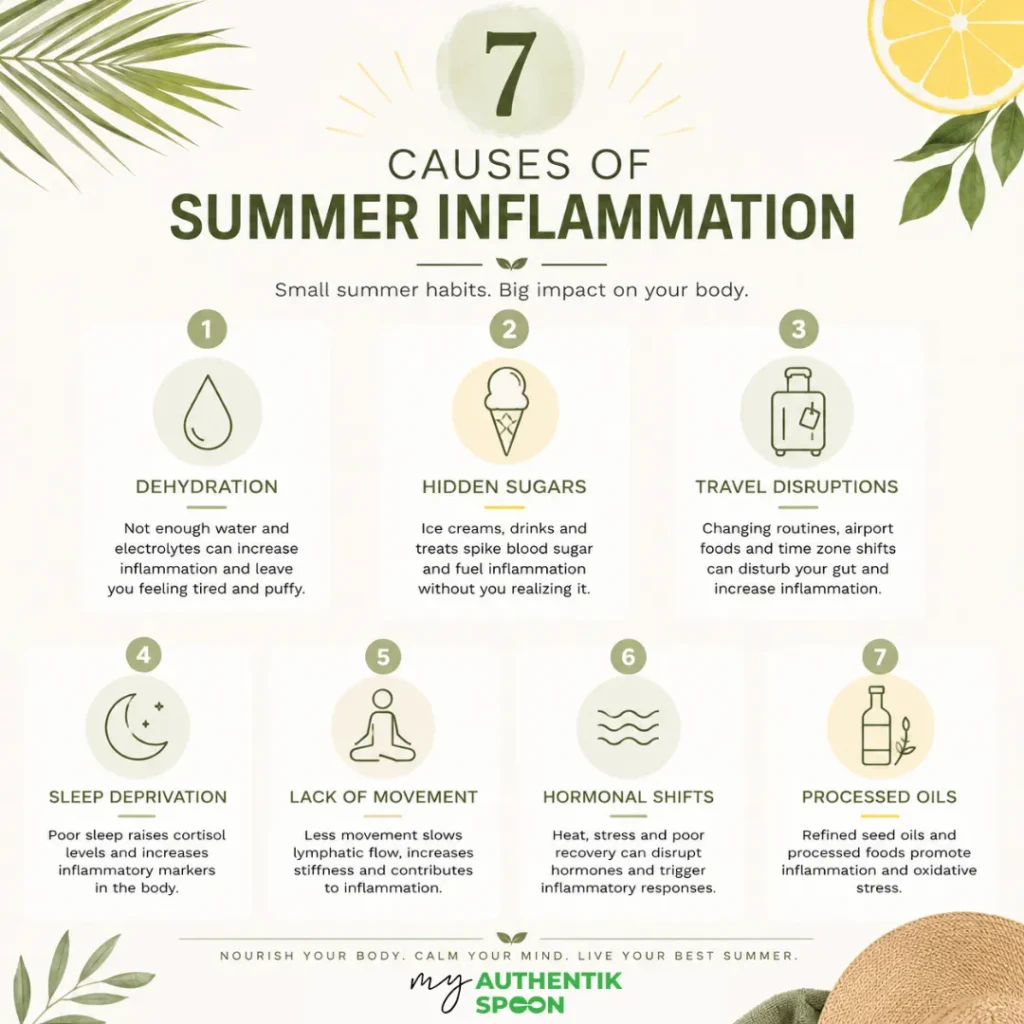
3. Travel, Routine Disruptions, and Gut Health
Whether you are flying across time zones or simply taking weekend road trips, summer travel disrupts your body’s natural rhythms.
Changes in meal timing, unfamiliar ingredients, sitting for long periods, and dehydration during flights slow down intestinal motility. When food sits in your digestive tract longer than it should, it ferments, causing uncomfortable gas and persistent summer bloating.
Your digestive system thrives on rhythm and consistency. Disrupting that rhythm alters your gut microbiome, weakening your digestive health and leaving your immune health compromised.
4. Sleep Deprivation and Elevated Cortisol
Summer days are longer, warmer, and filled with social engagements. While late evenings are fun, they often result in acute sleep deprivation.
Higher nighttime temperatures make it harder for your body to drop its core temperature (a necessary trigger for deep, restorative slow-wave sleep). According to research from the Sleep Foundation, elevated room temperatures impair deep sleep architecture.
When you miss out on quality sleep, your adrenal glands produce more cortisol (your primary stress hormone) the following day. High cortisol levels encourage fluid retention, drive intense sugar cravings, and directly increase systemic inflammation.
5. The Heat-Movement Trap
When temperatures soar into the 90s (or 30s°C), the last thing most people want to do is hit the gym or go for a run. As a result, many women drift into a sedentary lifestyle during peak summer months.
However, your lymphatic system (the network responsible for clearing cellular waste, excess fluid, and metabolic toxins) does not have a central pump like your heart. It relies entirely on muscle contraction and physical movement to keep fluid circulating.
When you stop moving, lymphatic fluid pools in your tissues, leading to leg swelling, puffy fingers, and an overall sense of heaviness.
V
6. Hormonal Shifts in Perimenopause and Menopause
For women over 35, summer brings a unique set of challenges. During perimenopause and menopause, fluctuating estrogen and progesterone levels alter how your body regulates water retention, body temperature, and stress responses.
Estrogen has a direct effect on fluid distribution and vascular health. When estrogen fluctuates wildly, fluid retention increases dramatically, especially in response to hot weather, high-sodium restaurant meals, or a single glass of wine.
Add summer heat waves to hot flashes and night sweats, and your body can easily become overwhelmed by heat stress, leading to heightened hormonal balance challenges and stubborn weight stalls.
7. Ultra-Processed “Light” Foods and Summer Oils
In an effort to eat light, many people turn to store-bought salad dressings, packaged dips, deli meats, frozen yogurt snacks, and vegetable-oil chips.
Unfortunately, these foods are often laden with refined industrial seed oils (like soybean, corn, and sunflower oil) that are very high in omega-6 fatty acids. When consumed in excess without enough omega-3s, omega-6 fats create a pro-inflammatory environment in the body.
Furthermore, synthetic additives and preservatives can irritate your gut lining, triggering a mild immune response every time you eat.
Foods That Fight Summer Inflammation (and Foods That Fuel It)
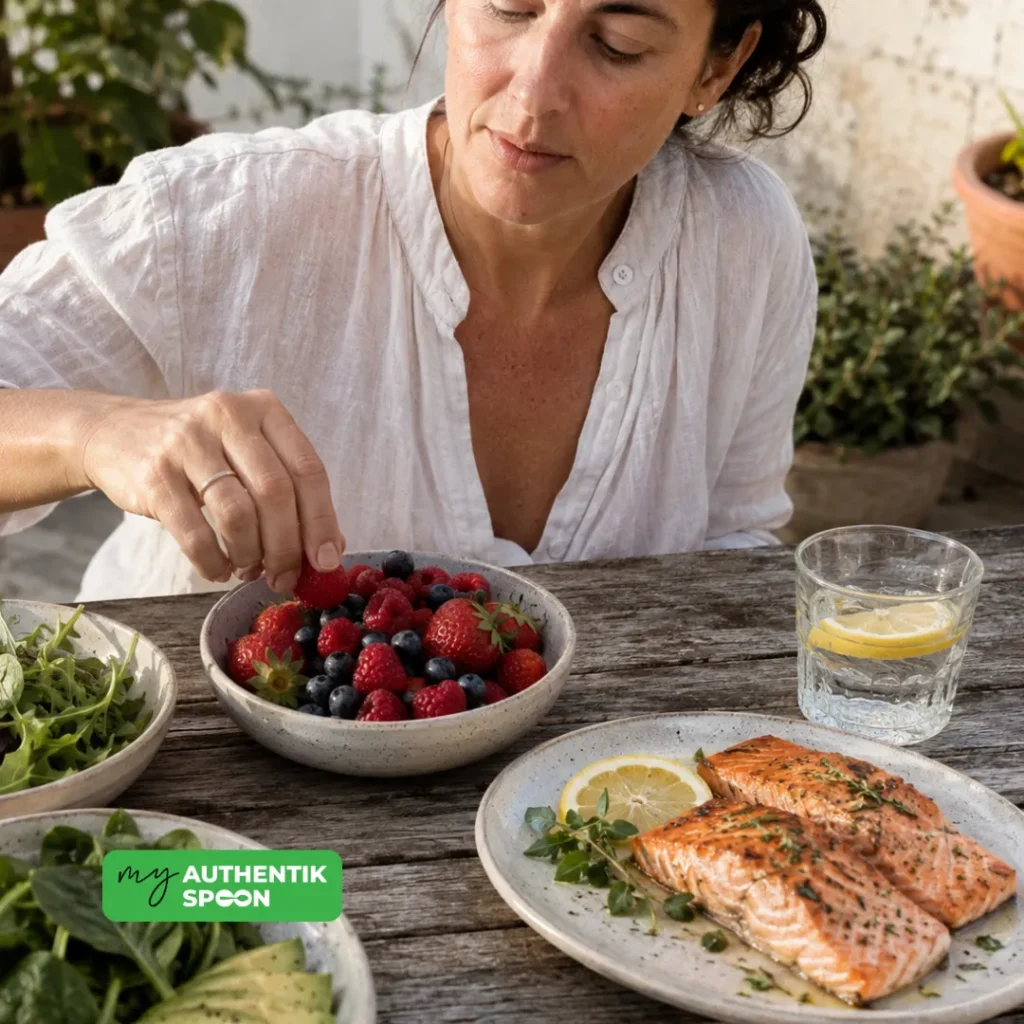
Nutrition is your most effective tool to restore balance, soothe your gut, and clear fluid retention. The goal is not to starve yourself or follow an restrictive diet, but rather to nourish your body with vibrant, seasonal whole foods that cool and cleanse your system.
The Anti-Inflammatory Summer Kitchen
Here are the functional, anti-inflammatory foods to embrace during the warm months:
| Category | Key Foods | Functional Benefits |
| Hydrating Vegetables | Cucumbers, zucchini, celery, radishes, fennel | High water content, rich in silica and potassium to flush out excess sodium. |
| Cooling Berries | Wild blueberries, raspberries, blackberries, strawberries | Packed with polyphenols and anthocyanins that neutralize oxidative stress. |
| Healthy Fats | Extra virgin olive oil, wild salmon, avocados, flaxseeds | High in omega-3s and oleic acid to calm systemic gut inflammation. |
| Bitter Greens | Arugula, dandelion greens, endive, watercress | Stimulate bile production to support liver health and fat digestion. |
| Electrolyte Foods | Coconut water, pink Himalayan salt, leafy greens, melons | Replenish lost minerals without added refined sugars. |
| Gut Supports | Sauerkraut, kimchi, fermented pickles, kefir | Replenish beneficial flora in your gut microbiome. |
Foods to Limit or Swap
You don’t have to eliminate every fun summer treat forever. However, being mindful of these common culprits will prevent severe flare-ups:
- Sugary Frozen Drinks: Iced cocktails, sweetened coffee drinks, and slushies cause steep blood sugar spikes.
- Industrial Seed Oils: Commercial canola, soybean, and corn oils found in pre-made salad dressings and fried foods.
- Processed Meats: Hot dogs, sausages, and low-quality cured meats loaded with excess sodium and nitrates.
- Refined Carbohydrates: White flour buns, pastries, and chips that break down quickly into simple sugars.
How to Reduce Summer Inflammation Naturally: A Step-by-Step Guide
If you are ready to wake up feeling light, energetic, and clear, here is your evidence-based, step-by-step framework to reduce summer inflammation naturally.
1. Hydrate with Intention (Beyond Plain Water)
Drinking water is only half the equation; your cells must be able to absorb it.
- Start Your Day with Mineral Water: Before your morning tea or coffee, drink a large glass of warm or room-temperature water with a pinch of unrefined sea salt and a squeeze of fresh lemon juice. This simple ritual hydrates your cells immediately and supports stomach acid production.
- Sip Herbal Infusions: Cold-brewed hibiscuses, mint, chamomile, and nettle tea are naturally cooling, anti-inflammatory, and rich in bioflavonoids.
- Eat Your Water: Build your meals around water-rich, raw or lightly cooked vegetables like cucumbers, bell peppers, tomatoes, and zucchini.
2. Support Your Liver and Digestive Fire
In traditional Eastern medicine and naturopathy, summer is a season that can overheat the liver. Your liver works tirelessly to process hormones, clear metabolic waste, and filter toxins.
- Incorporate Bitters: Enjoy a small arugula or dandelion salad before your main dinner. The bitter flavor triggers digestive enzymes and bile flow, reducing post-meal bloating.
- Embrace Gentle Herbs: Milk thistle, dandelion root, and ginger support natural liver detoxification pathways without harsh side effects.
- Keep Evening Meals Lighter: Digesting a heavy, fatty meal late at night generates significant internal metabolic heat, disrupting your sleep and leaving you bloated the next morning.
3. Balance Blood Sugar at Every Meal
Stable blood sugar is essential for balancing your hormones, maintaining steady energy levels, and turning off inflammatory signaling.
- Follow the Plate Method: Fill 50% of your plate with non-starchy vegetables, 25% with clean protein (wild fish, organic poultry, eggs, or legumes), and 25% with complex carbohydrates (quinoa, sweet potatoes, or berries). Add a tablespoon of healthy fat like extra virgin olive oil.
- Eat Fiber and Protein First: When enjoying a meal, eat your protein, healthy fats, and fiber-rich vegetables before eating complex carbs or fruit. This simple order slows glucose absorption and reduces insulin spikes by up to 30%.
- Walk After Meals: A 10-to-15-minute gentle walk after lunch and dinner uses glucose in your muscles without requiring extra insulin, keeping your blood sugar steady and preventing afternoon brain fog.
4. Move Gently to Boost Lymphatic Drainage
You don’t need exhausting high-intensity workouts during a heatwave to stay fit and support your metabolism. In fact, over-exercising in hot weather elevates cortisol and exacerbates fluid retention.
- Prioritize Daily Walking: Aim for consistent, gentle movement like morning or evening strolls when temperatures are cooler.
- Embrace Strength Training: 2 to 3 short, focused strength training sessions per week preserve lean muscle mass, protect your metabolic rate, and improve insulin sensitivity as you age.
- Practice Hormone-Balancing Yoga: Gentle, restorative movement helps drain stagnant fluid, calm the sympathetic nervous system, and lower cortisol.
- Support your body with Marine’s Hormonal Yoga Membership: Nutrition is a powerful foundation, but it is only one piece of the puzzle. Your nervous system matters just as much. When cortisol levels are high and the summer heat is keeping your body in a subtle state of fight-or-flight, gentle movement changes everything. That is why I love Marine’s Hormonal Yoga Membership. It combines nurturing movement, intentional breathing techniques, and deep relaxation practices specifically designed to support better sleep, reduce stress, and help women reconnect with their bodies. Whether you are navigating perimenopause, menopause, or simply a demanding modern lifestyle, dedicating even a few minutes a week to your mat can become one of the kindest ways to support your overall wellbeing. You can explore the membership with a 10-day free trial and experience firsthand how gentle movement helps you feel calmer, lighter, and more energized.
5. Protect Your Circadian Rhythm and Sleep Quality
Deep sleep is the ultimate natural anti-inflammatory treatment. It is during sleep that your brain clears metabolic waste and your body repairs cellular tissue.
- Cool Your Bedroom: Keep your ambient sleep temperature around 65–68°F (18–20°C). Use breathable cotton or linen bedding.
- Block Light: Use blackout curtains or an eye mask to signal to your pineal gland that it is time to produce melatonin.
- Limit Alcohol Before Bed: While a cold glass of rosé feels refreshing in the evening, alcohol severely disrupts REM sleep and elevates your resting heart rate throughout the night.
Sustainable Weight Loss and Hormone Health Beyond Summer
When women over 35 focus solely on calorie restriction to lose weight in the summer, it almost always backfires.
Cutting calories while your body is already dealing with stress, heat, and high cortisol signals to your brain that food is scarce. Your body responds by slowing down your metabolic rate, holding onto stored fat (especially around the abdomen), and breaking down precious muscle tissue.
True, sustainable weight loss is not about eating less and exercising harder; it is about creating an environment in which your body feels safe enough to let go of weight naturally.
When you address underlying summer inflammation, heal your gut lining, support your liver, and balance your cortisol, weight loss becomes a pleasant, natural side effect of restored health.
A Realistic 7-Day Summer Anti-Inflammatory Reset Plan
To help you put these principles into immediate practice, here is a simple, nourishing template for a typical day on your summer reset:
Morning
- 7:00 AM: Wake up and drink 16 oz of warm room-temperature water with a pinch of pink Himalayan salt and fresh lemon juice.
- 7:30 AM: Enjoy 10–15 minutes of direct morning sunlight while taking a light stroll around your garden or neighborhood to set your circadian clock.
- 8:30 AM: Breakfast: Scrambled organic eggs (or wild salmon) served over a bed of baby spinach, sliced cucumber, and a drizzling of extra virgin olive oil.
Mid-Day
- 12:30 PM: Lunch: A colorful anti-inflammatory bowl featuring wild-caught tuna or chickpeas, quinoa, diced zucchini, radishes, pumpkin seeds, and a fresh lemon-tahini dressing.
- 1:00 PM: Take a relaxing 10-minute post-lunch walk outside in the shade.
- 3:30 PM: Snack: A small cup of iced nettle-mint tea with a handful of fresh wild blueberries and raw walnuts.
Evening
- 6:30 PM: Dinner: Grilled wild salmon or pastured chicken breast with roasted asparagus and a fresh arugula and fennel salad.
- 7:30 PM: A gentle 15-minute evening walk to enjoy the twilight and encourage healthy digestion.
- 9:00 PM: Turn off bright overhead lights, put away screens, and enjoy a warm cup of chamomile tea or a gentle restorative yoga sequence.
- 10:00 PM: Sleep in a cool, dark room.
Build sustainable habits with the Authentik Reset Membership
Unlock your healthiest life with the Authentik Reset Membership and experience structured support all year round.
If you’ve ever felt trapped in the cycle of starting over every Monday, I want you to know you are not alone.
That is precisely why we created the Authentik Reset Membership.
Instead of putting you through another restrictive, short-term detox, we focus on building gentle, flexible habits that fit seamlessly into real life. Inside the community, we combine nourishing seasonal recipes, supportive detox frameworks, holistic weight loss coaching, gut health guidance, and a warm group of women cheering you on every step of the way.
The goal isn’t perfection or rigid rules.
It is simply about building a rhythm you can always return to, no matter what the season brings.
Frequently Asked Questions About Summer Inflammation
Why do I feel more bloated during the summer?
Summer bloating is typically caused by a combination of mild cellular dehydration, heat-induced slow digestion, electrolyte loss through sweat, and increased consumption of cold, sugary beverages or carbonated drinks. Heat also causes blood vessels to dilate, allowing fluids to pool in surrounding tissues.
Can heat cause inflammation in the body?
Yes. Prolonged exposure to high heat acts as a physical stressor on the body. It increases heat stress on your cells, triggers the release of cortisol and heat shock proteins, and can heighten systemic inflammation if you are not adequately hydrated with balanced electrolytes.
Why do I gain weight in summer even when eating lighter meals?
What feels like sudden weight gain in summer is often water weight and fluid retention rather than an increase in fat mass. High heat, elevated stress hormones, lack of sleep, and subtle blood sugar spikes from fruits or cold drinks cause your body to retain fluids.
What are the main symptoms of summer inflammation?
Common symptoms include persistent digestive bloating, morning puffiness in the face or hands, heavy legs, mid-afternoon fatigue, joint stiffness, skin redness or breakouts, and heightened sugar cravings.
How long does it take to clear summer bloating and inflammation?
When you introduce targeted hydration with minerals, cut back on refined sugars, eat liver-supportive foods, and prioritize rest, most women notice a significant reduction in puffiness and digestive discomfort within 3 to 7 days.
Let’s continue learning & growing together!
We hope this recipe brings ease and nourishment to your summer table. To continue your wellness journey, we invite you to:
• Explore our blog for naturopathic recipes and wellness advice.
• Sign up for our newsletter to receive exclusive health content straight to your inbox.
• Share your thoughts and comments on social media and tag us with #myauthentikspoon
About the author

Asmaa Lahlou is the co-founder of MyAuthentikSpoon, a naturopathic program dedicated to empowering individuals to make smarter food choices for improved well-being. If you’re ready to tackle wellness with a fresh perspective, schedule a complimentary private consultation with Asmaa to receive personalised dietary insights and weight management strategies. This is your opportunity to have your questions answered and to learn how to incorporate the food choices into your lifestyle and achieve a better wellbeing.

