


Most women I work with judge their progress by one number: the scale. But when I look at what actually drives weight loss, energy and healthy aging in your late 30s and beyond, muscle after 35 matters just as much, often more.
It doesn’t get much attention because it’s not as visible as a diet plan or a step count. Yet muscle after 35 is the tissue quietly connecting three things you probably care about: how easily you lose weight, how much energy you have, and how well you’ll move and feel in your 50s, 60s and beyond. Miss this piece, and everything else becomes harder than it needs to be.
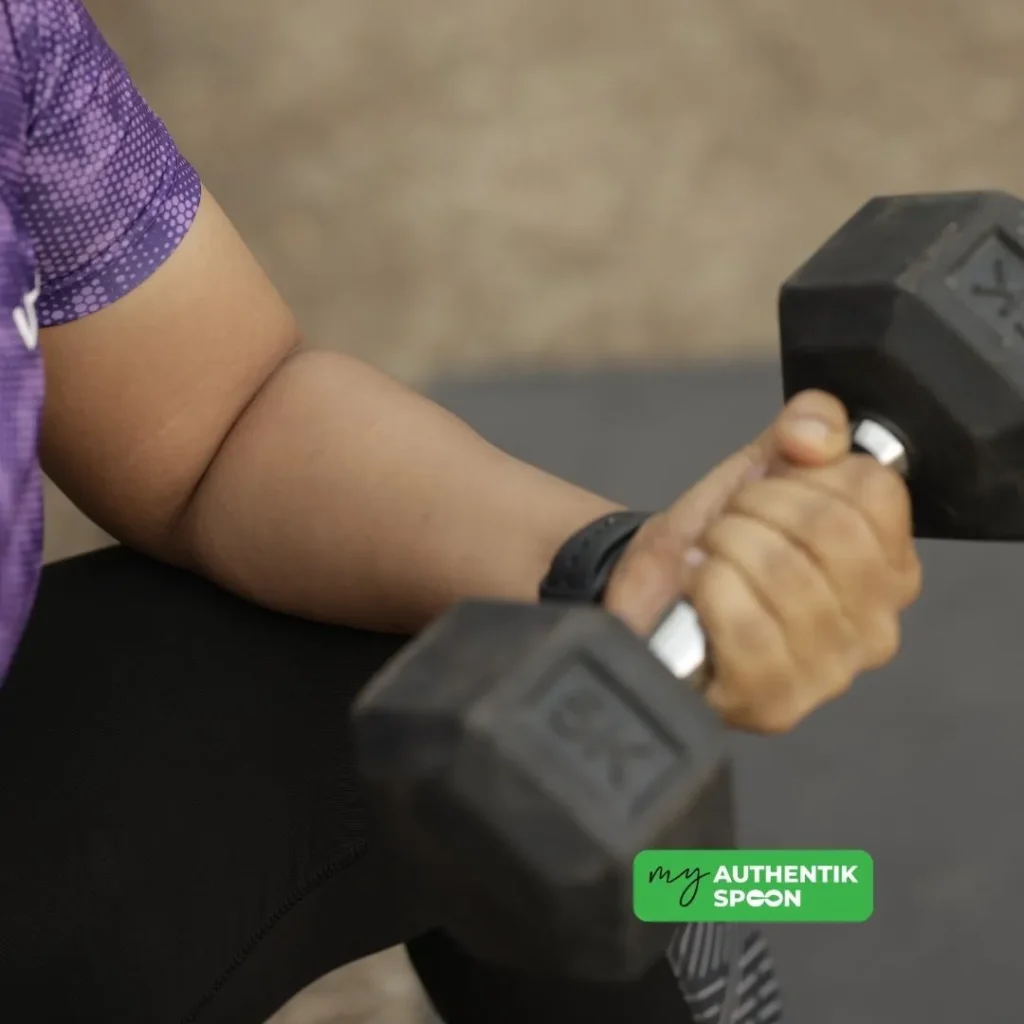
Why muscle after 35 is more than a look
When people hear “muscle,” they often picture the gym or a certain body type. That’s a narrow view. Muscle is active tissue. It burns energy even at rest, helps your body manage blood sugar, and supports your joints and posture every time you move.
Two women can weigh exactly the same and have completely different amounts of muscle. One feels strong, energetic and steady through the day. The other feels tired, achy and stuck, no matter how little she eats. The difference usually isn’t willpower. It’s body composition, how much of that weight is muscle versus fat.
This is why I stopped measuring progress by the scale alone with my clients. A better question is: do you feel stronger than you did six months ago? Can you carry the groceries without your shoulders complaining? Do your meals keep you satisfied for longer? Those are signs muscle after 35 is doing its job.
Muscle after 35: what’s actually happening
Muscle after 35 doesn’t disappear overnight. From our 30s onward, we naturally start losing muscle unless we actively work to keep it. According to Harvard Health, adults typically lose about 3 to 5 percent of their muscle mass per decade starting around age 30, a process known as sarcopenia (Harvard Health). For women, this decline tends to speed up during perimenopause, as shifting estrogen levels make muscle a little harder to maintain.
I go into the hormonal side of this in detail in why women lose muscle after 35, if you want the fuller picture of what’s happening and why. For this article, I want to focus on something different: why this particular tissue is the missing piece behind three things so many women are quietly struggling with.

The weight loss connection
If you’ve ever felt like you’re eating less than ever and still not losing weight, muscle is often part of the answer.
Muscle tissue burns more energy at rest than fat tissue does. So the more muscle you carry, the more your body naturally supports itself, even when you’re not exercising. When muscle is lost, usually through under-eating, inactivity or repeated crash dieting, your resting energy needs drop with it. The scale might stay the same or even go up over time, even though nothing else in your routine has changed.
This is also why extreme calorie cutting often backfires. When you eat too little without enough protein or resistance exercise, some of the weight lost comes from muscle, not just fat. If the weight returns later, it tends to come back mostly as fat. Repeat that cycle a few times, and you end up lighter in willpower but not necessarily leaner or stronger.
Protecting muscle while you lose fat leads to a completely different outcome. Instead of becoming smaller but weaker, you become leaner and stronger, which makes it easier to keep the weight off long term rather than starting over again next year.
The energy connection
Muscle after 35 also plays a direct role in how your body handles the food you eat, particularly carbohydrates. It’s one of the main tissues responsible for taking glucose out of your bloodstream and putting it to use. When you have less muscle, or muscle that isn’t regularly used, your body has a harder time managing blood sugar smoothly.
This shows up as the energy dips so many women describe: the 3pm crash, the sudden hunger for something sweet, the feeling of running on empty by mid-afternoon even after a decent breakfast. Some of this is about meal timing and stress, but muscle is part of the equation too. A body that can regulate blood sugar well tends to deliver steadier energy across the day, rather than sharp peaks and crashes.
The longevity connection
Muscle after 35 is the piece that often gets missed entirely. We tend to think of longevity in terms of supplements, skincare or the newest wellness trend. But two of the strongest physical predictors of a longer, more independent life are aerobic fitness and muscle strength.
The National Institute on Aging notes that strength training helps protect against age-related muscle and bone loss, supports balance, and helps maintain the ability to carry out everyday tasks independently as we get older (National Institute on Aging). A broader review in the British Journal of Sports Medicine similarly describes resistance training as offering measurable benefits for metabolic health, bone density and functional independence at every adult age (PubMed).
In plain terms: the muscle you build and keep in your 30s and 40s is what lets you carry your own suitcase, get up from the floor easily, and stay steady on your feet at 70. Healthy aging isn’t only about adding years. It’s about staying capable and independent in the years you already have.
So what actually builds it back
The good news is that muscle after 35 responds to the right signals at any age. You’re not fighting a losing battle. Two things matter most.
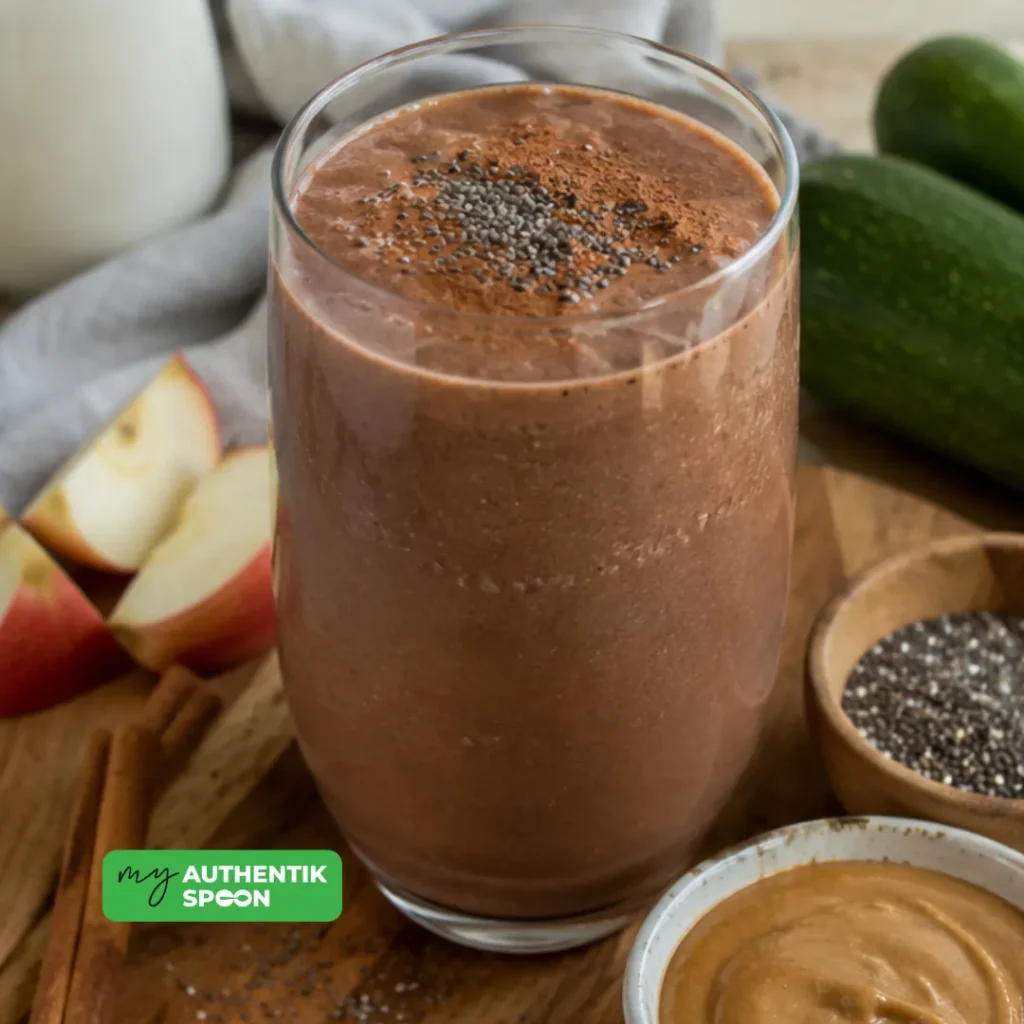
Protein at every meal. Muscle needs raw material to repair and rebuild. Rather than one large protein serving at dinner, aim for a source at breakfast, lunch and dinner, whether that’s eggs, Greek yogurt, fish, chicken, tofu, or lentils. If you want a easy place to start, this high-protein breakfast smoothie is a simple way to build the habit in the morning.
A reason for your muscles to work. Walking and cardio are valuable, but they don’t give your muscles the loaded stimulus they need to stay strong. That takes resistance, whether it’s bodyweight exercises, bands, dumbbells, or a structured strength program. Even two sessions a week, done consistently, is enough to make a real difference over time.
This is exactly where most women get stuck, not because they don’t understand the “why,” but because they don’t know where to start or don’t have a program built for their stage of life.
A simple way to start building muscle after 35 this week
You don’t need to overhaul your entire routine overnight. If you’re new to strength training, or you’ve tried it before and it didn’t stick, the most useful thing you can do is start with a structured, guided plan rather than guessing.
That’s exactly what Meghana built the Stronger Membership for. It’s designed to help you build real strength safely, with guidance rather than a random collection of exercises, so building muscle after 35 becomes something you actually stick with.
👉 Start your 30-day trial of the Stronger Membership with Meghana

Frequently asked questions
Can you build muscle after 35?
Yes. Muscle continues to respond to resistance training and adequate protein at any age. It may take slightly more intention than it did in your 20s, but building and maintaining muscle after 35 is entirely possible.
Does more muscle really help with weight loss?
Muscle tissue supports your resting energy needs and helps your body manage blood sugar. Combined with a balanced diet, maintaining muscle can make weight loss more sustainable and help prevent the “lose weight, regain fat” cycle that comes with crash dieting.
Why does muscle affect energy levels?
Muscle is one of the main tissues involved in clearing glucose from the bloodstream. A body that manages blood sugar well tends to have steadier energy, rather than sharp peaks and afternoon crashes.
How does muscle after 35 affect longevity?
Muscle strength is one of the strongest predictors of staying independent and mobile later in life. Strength training in your 30s and 40s helps protect the ability to move freely, keep your balance and stay active as you age.
How much protein do I need after 35?
Needs vary by body size and activity level, but a simple starting point is including a quality protein source at every meal, rather than saving most of it for dinner.
Is strength training safe if I’ve never lifted before?
Yes, when it’s introduced gradually and with proper guidance. Starting with bodyweight movements or light resistance and progressing slowly is the safest and most sustainable approach, which is why a guided program is often easier than starting alone.
Will strength training make me bulky?
No. Building large amounts of muscle is very difficult for most women, particularly in midlife, due to hormonal differences. Most women who strength train become firmer, stronger, and more capable, not bulkier.
How soon will I notice a difference?
Energy and strength in daily tasks often improve before you see visible changes. Give it a few consistent weeks before judging results, since muscle adaptation takes time.
Is walking enough, or do I need to lift too?
Walking is excellent for cardiovascular health and blood sugar regulation, but it doesn’t provide the resistance muscle needs to stay strong. Pairing walking with strength training covers both bases.
Is this different from your other article on muscle loss after 35?
Yes. Muscle loss after 35 explains the hormonal and lifestyle reasons muscle declines. This article focuses on why that muscle after 35 matters so much for weight loss, energy and long-term health, and what to actually do about it.
Final thoughts
Muscle after 35 rarely gets the credit it deserves. It’s not just about strength or appearance. It’s the tissue quietly shaping your weight, your energy and how well you’ll move through the years ahead.
The good news is that none of this requires perfection. A protein-rich meal, a couple of strength sessions a week, and consistency over months rather than days, that’s what rebuilds muscle after 35. If you’ve been waiting for the right moment to start, this is it.
Let’s continue learning & growing together!
We hope this recipe brings ease and nourishment to your summer table. To continue your wellness journey, we invite you to:
• Explore our blog for naturopathic recipes and wellness advice.
• Sign up for our newsletter to receive exclusive health content straight to your inbox.
• Share your thoughts and comments on social media and tag us with #myauthentikspoon
About the author

Asmaa Lahlou is the co-founder of MyAuthentikSpoon, a naturopathic program dedicated to empowering individuals to make smarter food choices for improved well-being. If you’re ready to tackle wellness with a fresh perspective, schedule a complimentary private consultation with Asmaa to receive personalised dietary insights and weight management strategies. This is your opportunity to have your questions answered and to learn how to incorporate the food choices into your lifestyle and achieve a better wellbeing.

